Understanding SPF, or Sun Protection Factor, is essential for anyone looking to protect their skin from the harmful effects of ultraviolet (UV) radiation. SPF is a measure of how well a sunscreen can protect the skin from UVB rays, which are primarily responsible for sunburn and can contribute to skin cancer. The number associated with SPF indicates the level of protection it offers; for instance, an SPF of 30 means that it would take 30 times longer for your skin to burn than if you were not wearing any sunscreen at all. However, it’s crucial to note that no sunscreen can provide 100% protection, and the effectiveness of SPF can be influenced by various factors such as skin type, application method, and environmental conditions.The importance of SPF cannot be overstated.
Regular use of sunscreen with an appropriate SPF can significantly reduce the risk of developing skin cancers, including melanoma, which is one of the most aggressive forms of skin cancer. According to dermatological studies, using a broad-spectrum sunscreen with an SPF of 15 or higher can lower the risk of squamous cell carcinoma by up to 40% and melanoma by 50%. Furthermore, consistent application helps prevent premature aging signs like wrinkles and sunspots, allowing individuals to maintain healthier and more youthful-looking skin.As we delve deeper into the relationship between tanning beds and SPF protection, it’s vital to understand that while many people believe tanning beds offer a safer alternative to sun exposure, they still emit harmful UV rays. This misconception often leads individuals to rely on SPF products while using tanning beds, thinking they are adequately protected.
However, this section aims to clarify these misconceptions and highlight the critical role that proper sun protection plays in maintaining skin health.
The Science Behind Tanning Beds
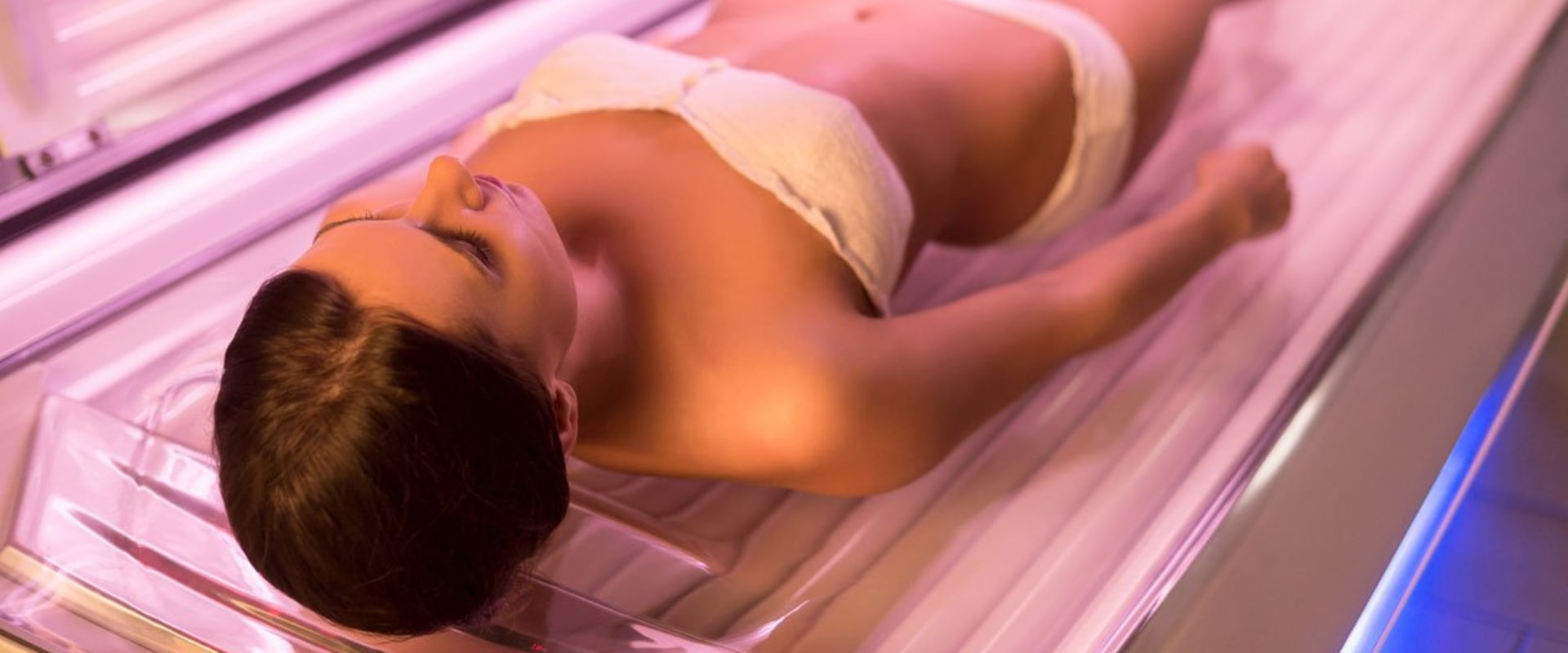
Tanning beds operate by emitting ultraviolet (UV) radiation, which stimulates the production of melanin in the skin, leading to a tanned appearance. Understanding how these devices work is essential for anyone considering their use, especially in conjunction with SPF products.There are two primary types of UV rays emitted by tanning beds: UVA and UVB rays. Each type has distinct characteristics and effects on the skin:- UVA Rays: These rays penetrate the skin more deeply than UVB rays and are primarily responsible for causing skin aging and long-term skin damage. UVA exposure can lead to wrinkles, loss of elasticity, and pigmentation changes.
They are also linked to an increased risk of skin cancer.
- UVB Rays: These rays are responsible for causing sunburn and play a significant role in the development of skin cancer. UVB rays affect the outer layer of the skin and are more intense during midday hours. While they are crucial for vitamin D synthesis, excessive exposure can lead to severe skin damage.
However, this is a misconception that can lead to dangerous outcomes.The safety of tanning beds is a significant concern among dermatologists and health professionals. Studies have shown that even minimal exposure to tanning beds can increase the risk of developing melanoma, the deadliest form of skin cancer. According to research from the World Health Organization, using tanning beds before the age of 30 increases the risk of melanoma by 75%.Moreover, many users do not adhere to recommended safety guidelines, such as limiting session duration or using protective eyewear. This lack of caution can exacerbate the risks associated with UV exposure.In summary, while tanning beds may offer a quick way to achieve a bronzed look, they come with significant health risks due to their emission of both UVA and UVB rays.
Understanding how these devices work and their potential dangers is vital for making informed decisions about sun exposure and skin health.
The Role of SPF in Tanning Beds
When it comes to tanning beds, the role of SPF (Sun Protection Factor) is often misunderstood. Many individuals believe that applying sunscreen while using a tanning bed can provide adequate protection against harmful UV rays. However, this assumption is fraught with misconceptions and oversights regarding the nature of UV exposure in these artificial environments.Firstly, it is essential to understand that tanning beds primarily emit UVA rays, which penetrate the skin more deeply than UVB rays. While UVA rays are often touted as less harmful, they are responsible for long-term skin damage, including premature aging and an increased risk of skin cancer.In contrast, UVB rays are primarily responsible for sunburns. Tanning beds can emit both types of rays, making the use of SPF crucial yet complicated.One common misconception is that a higher SPF will offer complete protection during tanning sessions. While a higher SPF does provide more protection against UVB rays, it does not necessarily equate to safety in a tanning bed environment. The concentrated exposure to UV rays in tanning beds can overwhelm the protective capabilities of sunscreen, leading to potential skin damage even with SPF application.Moreover, the effectiveness of SPF in tanning beds is further compromised by improper application.
Many users fail to apply sunscreen evenly or sufficiently, leaving areas of the skin vulnerable to burns and damage. This uneven coverage can result in missed spots that may suffer from intense UV exposure, increasing the risk of adverse effects.Additionally, it is important to note that the FDA does not regulate the use of SPF in tanning beds. This lack of regulation means that there is no guarantee that the SPF level advertised by tanning salons is accurate or effective. Consequently, relying on SPF for protection in these settings can create a false sense of security.In summary, while using SPF in tanning beds may seem like a reasonable approach to mitigate some risks associated with UV exposure, it is not a foolproof solution.
The concentrated nature of UV radiation in tanning beds combined with potential application errors and regulatory gaps means that individuals may still be at significant risk for skin damage and long-term health issues. Therefore, it is advisable to reconsider the use of tanning beds altogether and explore safer alternatives for achieving a bronzed look.
Common Misconceptions About Tanning Beds and SPF
When it comes to tanning beds and the use of SPF, there are numerous misconceptions that can lead to dangerous practices. Understanding these myths is crucial for anyone considering indoor tanning.Myth 1: Tanning Beds Are Safe Because They Use UVA Rays
Many people believe that tanning beds are a safer option than sunbathing because they primarily emit UVA rays, which are often perceived as less harmful. However, this is misleading.
While UVA rays do not cause immediate sunburn like UVB rays, they penetrate deeper into the skin and can lead to long-term damage, including premature aging and an increased risk of skin cancer. The reality is that both UVA and UVB rays can be harmful, and tanning beds expose users to high levels of both.
Myth 2: SPF in Tanning Beds Provides Adequate Protection
Another common belief is that using SPF while tanning in a bed offers sufficient protection against harmful UV exposure. Unfortunately, this is not the case. The SPF products available in tanning salons may not be effective against the concentrated UV radiation emitted by tanning beds.
Furthermore, the FDA does not regulate these products, leading to potential discrepancies in their advertised effectiveness. Relying on SPF in this context can create a false sense of security.
Myth 3: You Can Tan Safely with SPF
Some individuals think that applying a high SPF sunscreen allows them to tan safely without risking skin damage. While sunscreen is essential for protecting against UV rays when outdoors, it does not eliminate the risks associated with indoor tanning. Even with sunscreen, the intense exposure from tanning beds can still lead to skin burns and long-term damage.
Myth 4: Tanning Beds Are a Good Source of Vitamin D
Another prevalent myth is that tanning beds are an effective way to boost vitamin D levels.
While it is true that UV exposure helps the body produce vitamin D, the risks associated with indoor tanning far outweigh any potential benefits. There are safer alternatives to increase vitamin D levels, such as dietary supplements or sensible sun exposure.
Myth 5: Tanning Beds Are Regulated for Safety
Many people assume that tanning beds are strictly regulated and safe for public use. In reality, regulations vary significantly by region, and many salons may not adhere to best practices for safety and hygiene. This lack of oversight can lead to unsafe conditions and increased health risks for users.In conclusion, debunking these myths surrounding tanning beds and SPF usage is vital for making informed decisions about skin health.
Understanding the true risks involved can help individuals avoid dangerous practices and protect their skin from long-term damage.
Health Risks Associated with Tanning Beds
As the allure of a bronzed complexion continues to captivate many, it is crucial to understand the health risks associated with tanning beds. While these devices may promise a quick and convenient way to achieve a sun-kissed look, the potential dangers they pose to your skin and overall health cannot be overlooked.One of the most alarming risks linked to tanning bed usage is the increased likelihood of developing skin cancer. Research indicates that individuals who use tanning beds are at a significantly higher risk of melanoma, the deadliest form of skin cancer. According to the World Health Organization, using tanning beds before the age of 35 can increase the risk of melanoma by up to 75%.This statistic highlights the importance of understanding that even occasional use can have severe long-term consequences.In addition to melanoma, tanning beds are also associated with other forms of skin cancer, including squamous cell carcinoma and basal cell carcinoma. These cancers can lead to serious health complications and often require extensive treatment. The cumulative effect of UV exposure from tanning beds can damage the DNA in skin cells, leading to mutations that may result in cancer over time.Beyond cancer, premature aging is another significant concern for those who frequently use tanning beds. The intense UV radiation emitted by these devices accelerates the skin's aging process, leading to wrinkles, fine lines, and a loss of elasticity.
This phenomenon, often referred to as "photoaging," can make individuals appear older than their actual age. The damage caused by UV rays can also result in uneven skin tone and texture, contributing to an overall unhealthy appearance.Moreover, the risks are not limited to just skin conditions. Prolonged exposure to UV radiation can weaken the immune system, making individuals more susceptible to infections and other diseases. It is essential to recognise that while tanning beds may seem like a harmless way to enhance your appearance, they carry significant health risks that can have lasting effects.In conclusion, the dangers associated with tanning beds extend far beyond cosmetic concerns.
The increased risk of skin cancer, premature aging, and potential immune system suppression are critical factors that should inform your decision-making regarding tanning practices. Embracing safer alternatives for achieving a tan is not only wise but necessary for maintaining long-term health.
Alternatives to Tanning Beds: Safer Options for a Tan
As the quest for a sun-kissed glow continues, many individuals are seeking alternatives to tanning beds that do not expose their skin to harmful UV rays. Fortunately, there are several effective and safe options available that can help you achieve that coveted tan without the associated risks of skin damage and increased cancer risk.Self-Tanners: The Popular Choice
One of the most popular alternatives to tanning beds is the use of self-tanners. These products typically contain dihydroxyacetone (DHA), a colourless sugar that interacts with the amino acids in the outer layer of your skin, resulting in a temporary tan.Self-tanners come in various forms, including lotions, sprays, and mousses, allowing users to choose a method that best suits their preferences.
- Application Tips: For optimal results, it is essential to exfoliate your skin before applying self-tanner. This helps to create an even surface and prevents patchiness. Additionally, using a tanning mitt can help achieve a smooth application and avoid staining your hands.
- Choosing the Right Shade: Self-tanners are available in different shades, so it’s important to select one that complements your natural skin tone. Start with a lighter shade if you are new to self-tanning, as it is easier to build up colour gradually.
Sunless Tanning Products
In addition to self-tanners, there are other sunless tanning products on the market that can provide a bronzed look without UV exposure.These include:
- Tanning Towelettes: Pre-soaked in self-tanning solution, these convenient wipes allow for easy application on-the-go.
- Tanning Mousse: Lightweight and quick-drying, tanning mousses offer a streak-free finish and are often easy to blend.
- Tanning Drops: These versatile drops can be mixed with your regular moisturiser or serum for a custom tan that develops gradually.
The Benefits of Sunless Tanning
The primary advantage of using sunless tanning products is the elimination of UV exposure, which significantly reduces the risk of skin damage and long-term health issues. Furthermore, many self-tanners now include added skincare benefits such as moisturising ingredients and antioxidants, making them not only a cosmetic solution but also a way to care for your skin.Ultimately, while achieving a tanned appearance is desirable for many, prioritising skin health should always come first. By opting for self-tanners and other sunless tanning products, you can enjoy a beautiful glow without compromising your well-being.Best Practices for Sun Protection Outdoors
When enjoying the great outdoors, protecting your skin from harmful UV rays is essential. Here are some best practices to ensure you stay safe while soaking up the sun.Choosing the Right Sunscreen
Selecting an appropriate sunscreen is the first step in effective sun protection.Look for a broad-spectrum sunscreen that protects against both UVA and UVB rays. The SPF rating is crucial; aim for a minimum of SPF 30 for adequate protection. If you have sensitive skin, consider a sunscreen that is fragrance-free and hypoallergenic.
Proper Application Techniques
Applying sunscreen correctly is just as important as choosing the right product. Follow these guidelines for optimal results:- Apply Generously: Use about one ounce (a shot glass full) to cover your entire body.
Don’t forget areas like your ears, neck, and the tops of your feet.
- Timing Matters: Apply sunscreen at least 15-30 minutes before going outside to allow it to absorb into your skin.
- Reapply Regularly: Reapply every two hours, or more frequently if you are swimming or sweating. Water-resistant formulas can provide additional protection but still require reapplication.
Additional Sun Protection Measures
Sunscreen alone isn’t enough to fully protect your skin. Consider these additional measures:- Seek Shade: Whenever possible, stay in shaded areas, especially during peak sun hours between 10 a.m. and 4 p.m.
- Wear Protective Clothing: Long-sleeved shirts, wide-brimmed hats, and UV-blocking sunglasses can significantly reduce your exposure to harmful rays.
- Avoid Tanning Beds: As previously discussed, tanning beds can increase your risk of skin damage and should be avoided altogether.
Remember, taking proactive steps today can lead to healthier skin tomorrow.
Frequently Asked Questions About Tanning Beds and SPF
As the popularity of tanning beds continues to rise, so do the questions surrounding their safety and the effectiveness of SPF protection. Here, we address some of the most frequently asked questions to help clarify common concerns.1.Can I use SPF while tanning in a tanning bed?
While it may seem logical to apply SPF before using a tanning bed, it is important to understand that SPF products are not designed to protect against the intense UV exposure from tanning beds. Tanning beds emit concentrated UVA and UVB rays, which can still penetrate the skin even with sunscreen applied. Therefore, relying solely on SPF for protection is not advisable.2.What is the difference between UVA and UVB rays?
UVA rays penetrate deeper into the skin and are primarily responsible for premature aging and skin damage, while UVB rays are known for causing sunburn.Both types of rays can contribute to skin cancer, making it essential to protect your skin from both when exposed to any form of UV light.
3.How effective is SPF in tanning beds?
The effectiveness of SPF in tanning beds is questionable at best. Many users apply sunscreen incorrectly or do not use enough product, leading to uneven coverage and missed areas. Additionally, the FDA does not regulate SPF claims made by tanning salons, which can result in misleading information about the level of protection offered.4.Are there safer alternatives to tanning beds?
Yes, there are several safer alternatives for achieving a bronzed look without exposing your skin to harmful UV rays. Self-tanners are a popular choice; they contain dihydroxyacetone (DHA), which reacts with the outer layer of skin to create a temporary tan without any UV exposure.Additionally, bronzers and tinted moisturisers can provide a sun-kissed appearance without the risks associated with tanning beds.
5.What should I do if I get burned while using a tanning bed?
If you experience a burn after using a tanning bed, it is crucial to take immediate action. Apply soothing aloe vera gel or a moisturising lotion to help alleviate discomfort. Stay hydrated and avoid further sun exposure until your skin has healed. If the burn is severe or blisters develop, consult a healthcare professional for advice.Understanding these common questions can help you make informed decisions about your tanning practices and protect your skin's health effectively.Conclusion: Making Informed Choices About Tanning and Skin Health
As we conclude our exploration of the relationship between SPF protection and tanning beds, it is essential to reflect on the critical insights shared throughout this article.The allure of a bronzed complexion can be tempting, especially with the promise of a quick tan from tanning beds. However, the reality is far more complex and concerning.Firstly, it is vital to understand that while SPF products are designed to protect against UV radiation, they do not offer complete safety when used in conjunction with tanning beds. The concentrated exposure to both UVA and UVB rays in these environments can lead to significant skin damage, increasing the risk of skin cancer and accelerating the signs of aging.Moreover, the lack of regulation surrounding SPF claims in tanning salons raises serious questions about the effectiveness of these products. Without stringent oversight, consumers may be misled into believing they are adequately protected when they are not.
This false sense of security can lead to reckless behaviour and increased skin exposure.In light of these findings, it becomes clear that making informed choices about tanning practices is paramount. Here are some key takeaways:
- Prioritise Skin Health: Your skin is your body’s largest organ and deserves proper care. Embrace your natural skin tone and consider alternatives like self-tanners that do not expose you to harmful UV rays.
- Educate Yourself: Understanding the risks associated with tanning beds and the limitations of SPF protection can empower you to make better decisions regarding your skin health.
- Consult Professionals: If you are unsure about safe tanning practices or how to protect your skin effectively, seek advice from dermatologists or skincare professionals.
Remember, there is no such thing as a safe tan; your long-term health should always take precedence over short-term aesthetic desires.