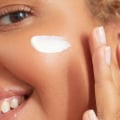
Understanding SPF is crucial for anyone looking to protect their skin from the harmful effects of the sun. SPF, or Sun Protection FactorSun Protection Factor , is a measure that indicates the level of protection a sunscreen provides against UVB rays, which are primarily responsible for sunburn and can contribute to skin cancer. The SPF number reflects how long you can stay in the sun without getting burned compared to if you were wearing no sunscreen at all. For instance, if you typically burn after 10 minutes in the sun, applying an SPF 30 sunscreen theoretically allows you to stay protected for up to 300 minutes, assuming proper application and reapplication.However, it’s essential to understand that SPF is not a straightforward guarantee of protection.
The effectiveness of sunscreen can be influenced by various factors, including skin type, the amount applied, and environmental conditions. Moreover, SPF only measures protection against UVB rays; it does not account for UVA rays, which can also cause skin damage and increase the risk of skin cancer. Therefore, it is advisable to choose a broad-spectrum sunscreen that offers protection against both UVA and UVB rays.When selecting a sunscreen, consider not just the SPF rating but also how it fits into your lifestyle. For example, if you plan on swimming or engaging in activities that cause sweating, you’ll want a water-resistant formula.
Understanding how SPF works and its limitations will empower you to make informed choices about sun protection, ensuring that your skin remains healthy and safeguarded from the sun's damaging effects.
The Science Behind SPF: How It Protects Your Skin
Understanding how SPF works is crucial for effective sun protection. SPF, or Sun Protection Factor, is a measure of how well a sunscreen can protect your skin from UVB rays, which are primarily responsible for sunburn and can contribute to skin cancer. However, it’s essential to note that SPF does not account for UVA rays, which penetrate deeper into the skin and can lead to premature aging and other skin issues.UVB Rays vs. UVA Rays
- UVB Rays: These rays are the primary cause of sunburn and are most intense during the summer months.
They can damage the outer layer of the skin and are directly linked to the development of skin cancer.
- UVA Rays: These rays penetrate more deeply into the skin and are associated with long-term skin damage, including wrinkles and age spots. UVA rays are present throughout the year, even on cloudy days.
It’s important to remember that no sunscreen can provide 100% protection.
How SPF Protects Your Skin
Sunscreens work by either absorbing or reflecting UV radiation. Chemical sunscreens contain organic compounds that absorb UV radiation and convert it into heat, which is then released from the skin. In contrast, physical (or mineral) sunscreens contain active mineral ingredients like zinc oxide or titanium dioxide that sit on top of the skin and physically block UV rays.When selecting a sunscreen, consider the following:
- Broad-Spectrum Protection: Choose a product that offers broad-spectrum protection against both UVA and UVB rays.
- SPF Level: Opt for a minimum SPF of 30 for daily use, especially if you plan to be outdoors for extended periods.
- Water Resistance: If you will be swimming or sweating, select a water-resistant formula to ensure continued protection.
Water Resistance in Sunscreens: What Does It Mean?
When it comes to selecting a sunscreen, understanding the term water resistance is crucial.This label can often be misleading, leading consumers to believe that they are fully protected from the sun's harmful rays while swimming or sweating. In reality, the effectiveness of water-resistant sunscreens is governed by specific regulations set forth by the FDA.The FDA categorizes sunscreens into two main types: water-resistant and very water-resistant. A sunscreen can only be labeled as water-resistant if it maintains its SPF level after 40 minutes of water exposure. If a product claims to be very water-resistant, it must retain its SPF level after 80 minutes of water exposure.
However, it is essential to note that these tests are conducted in still water conditions, which do not accurately reflect real-life scenarios where movement can cause sunscreen to wear off more quickly.When choosing a water-resistant sunscreen, consumers should look for products that specify their duration of effectiveness in water. Here are some key points to consider:
- Check the SPF Rating: Always opt for a sunscreen with an SPF of at least 30, as this provides a good level of protection against UVB rays.
- Understand the Water Resistance Claims: Look for labels that clearly state whether the product is water-resistant or very water-resistant, and for how long it maintains its effectiveness.
- Reapplication is Key: Regardless of the water resistance claim, it is vital to reapply sunscreen every two hours or immediately after swimming or sweating heavily.
- Consider Your Activities: If you plan on engaging in activities that involve a lot of movement in the water, such as swimming or playing beach sports, choose a sunscreen with higher water resistance.
How Water Affects Sunscreen Effectiveness
When it comes to protecting your skin from harmful UV rays, understanding how water interacts with sunscreen is crucial.Whether you're swimming in the ocean, lounging by the pool, or simply taking a shower, water can significantly impact the effectiveness of your sunscreen.
Swimming and Sunscreen
One of the most common scenarios where sunscreen effectiveness is compromised is during swimming. Many people assume that applying a water-resistant sunscreen means they are fully protected while in the water. However, it’s essential to understand that even water-resistant formulas can lose their efficacy when exposed to water.According to regulations, a sunscreen can be labelled as water-resistant if it maintains its SPF level after 40 minutes of immersion in still water. Some products may even claim to be very water-resistant, which indicates they can retain their SPF for up to 80 minutes.
However, these tests are conducted under controlled conditions and do not account for the dynamic nature of swimming, where movement can cause the sunscreen to wash away more quickly.
Showering and Sunscreen
Showering can also affect your sunscreen's performance. The act of washing your body with soap and water can strip away the protective layer of sunscreen, especially if you use exfoliating products or loofahs. Even a quick rinse can diminish the effectiveness of your SPF, leaving your skin vulnerable to sun damage if you head outside without reapplying.
Reapplying Sunscreen After Water Exposure
Given these factors, it’s vital to reapply sunscreen after any exposure to water. The general recommendation is to reapply every two hours; however, if you’ve been swimming or have showered, it’s best to apply a fresh layer immediately after drying off.
This ensures that your skin remains adequately protected against UV rays.Additionally, consider using a broad-spectrum sunscreen with an SPF of at least 30 for optimal protection. If you plan on spending extended periods in the water, opt for a higher SPF and ensure it is labelled as water-resistant.In summary, while water can enhance hydration and temporarily improve the absorption of some sunscreens into the skin, it also poses a significant risk of washing away that protection. Always remember to reapply your sunscreen after swimming or showering to maintain effective sun protection.
The Role of Sweat in Sunscreen Performance
When it comes to protecting our skin from harmful UV rays, understanding the impact of sweat on sunscreen performance is crucial. Sweat is a natural bodily function that helps regulate our temperature, especially during hot weather or physical activity.However, it can also pose challenges for maintaining effective sun protection.
How Sweat Affects Sunscreen
One of the primary concerns regarding sweat and sunscreen is the potential for dilution. As we sweat, the moisture can mix with the sunscreen on our skin, potentially reducing its concentration and effectiveness. This dilution can lead to a decrease in the protective barrier that sunscreen provides against UV rays.Moreover, sweat can physically wash away sunscreen. When we engage in activities that cause us to perspire heavily, such as exercising or spending time outdoors in the heat, the combination of sweat and movement can lead to the sunscreen being wiped off or smudged.
This is particularly true for sunscreens that are not specifically formulated to be water- or sweat-resistant.
Does Sweat Wash Off Sunscreen?
The answer is yes; sweat can wash off sunscreen, especially if it is not designed to withstand moisture. While many products are marketed as water-resistant, this designation typically refers to their ability to maintain SPF protection for a limited time when exposed to water. The same principle applies to sweat: if you are sweating profusely, even a water-resistant sunscreen may not hold up effectively.To ensure optimal protection, it is essential to consider reapplication after sweating. The general recommendation is to reapply sunscreen every two hours; however, if you are engaging in strenuous activities that induce heavy sweating, you should consider reapplying more frequently—ideally every hour.
Best Practices for Sunscreen Application
- Choose the Right Product: Opt for a broad-spectrum sunscreen with a high SPF rating and one that is specifically labelled as water- or sweat-resistant.
- Apply Generously: Ensure an even layer of sunscreen covers all exposed skin areas.
A common guideline is to use about a shot glass full for full-body coverage.
- Reapply Regularly: Make it a habit to reapply your sunscreen after sweating or swimming, even if you have used a water-resistant formula.
- Consider Timing: Apply sunscreen at least 15-30 minutes before sun exposure to allow it to bind effectively to your skin.
Best Practices for Applying Sunscreen: Tips for Maximum Protection
Applying sunscreen correctly is essential for ensuring maximum protection against harmful UV rays. Here are some best practices to follow for effective sunscreen application:1.Choose the Right Sunscreen
- Opt for a broad-spectrum sunscreen that protects against both UVA and UVB rays.
- Select a product with an SPF of at least 30 for daily use, and consider higher SPF for prolonged sun exposure.
- Look for water-resistant formulas if you plan to swim or sweat.
2.Apply Generously
Many people do not apply enough sunscreen, which can significantly reduce its effectiveness. A general guideline is:- Use about one ounce (a shot glass full) to cover your entire body.
- For your face, use approximately a nickel-sized amount.
3.Timing is Key
To achieve optimal protection, apply sunscreen:- 30 minutes before sun exposure : This allows the product to absorb into the skin and form a protective barrier.
- After swimming or sweating : Even water-resistant sunscreens can lose effectiveness, so reapply immediately after these activities.
4.Reapplication Frequency
The frequency of reapplication depends on various factors:- Every two hours : This is the standard recommendation for most situations.
- Every hour : If you are swimming, sweating heavily, or towel-drying, reapply more frequently.
5.Don’t Forget Key Areas
When applying sunscreen, pay special attention to often-missed areas:- Ears
- Nose
- Back of the neck
- Top of the feet and hands
- Bald spots on the scalp
6.Use Proper Application Techniques
For even coverage:- Apply in circular motions to ensure all areas are covered.
- Avoid rubbing too hard, as this can irritate the skin and reduce effectiveness.
Choosing the Right Sunscreen for Your Needs
When it comes to selecting the right sunscreen, understanding your specific needs and activities is crucial.Not all sunscreens are created equal, and choosing the right one can significantly impact your skin's protection against harmful UV rays.
Types of Sunscreens
- Chemical Sunscreens: These contain organic compounds that absorb UV radiation and transform it into heat, which is then released from the skin. They are often lightweight and easy to apply, making them suitable for everyday use.
- Physical (Mineral) Sunscreens: Composed of natural minerals like zinc oxide or titanium dioxide, these sit on the skin's surface and reflect UV rays. They are ideal for sensitive skin types and provide immediate protection upon application.
Broad-Spectrum vs Regular Sunscreen
It’s essential to opt for a broad-spectrum sunscreen, which protects against both UVA and UVB rays.
UVA rays penetrate deeper into the skin and are primarily responsible for premature aging and skin cancer, while UVB rays cause sunburn. Regular sunscreens may only protect against UVB rays, leaving your skin vulnerable to other harmful effects.
Choosing Sunscreen for Activities
Your choice of sunscreen should also reflect your planned activities:
- Swimming or Water Sports: Look for a water-resistant sunscreen with an SPF of at least 30. These products are designed to maintain their effectiveness even when exposed to water.
- Outdoor Sports: If you’re engaging in high-intensity activities that induce sweating, consider a sweat-resistant formula. Reapplication every hour is advisable in such cases.
- Daily Use: For everyday wear, a lightweight, non-comedogenic broad-spectrum sunscreen can be ideal.
Look for formulations that can double as moisturisers or makeup bases.
Common Myths About SPF Debunked
When it comes to sun protection, there are numerous myths and misconceptions that can lead to inadequate protection against harmful UV rays. Understanding the truth behind these myths is essential for effective sun safety. Here, we debunk some of the most common myths about SPF and sunscreen use.- Myth 1: Higher SPF means I can stay in the sun longer.
Many people believe that using a higher SPF allows them to extend their time in the sun without reapplying sunscreen.However, while a higher SPF does offer more protection, it does not mean you can ignore reapplication. Regardless of SPF, sunscreen should be reapplied every two hours, or more frequently if swimming or sweating.
- Myth 2: Sunscreen is only necessary on sunny days.
UV rays can penetrate clouds and still cause skin damage even on overcast days. Therefore, it’s crucial to apply sunscreen daily, regardless of the weather conditions. - Myth 3: Darker skin doesn’t need sunscreen.
While it’s true that individuals with darker skin have more melanin, which provides some natural protection against UV rays, they are still at risk for skin damage and skin cancer. Everyone, regardless of skin tone, should use sunscreen to protect against harmful UV radiation. - Myth 4: Tanning oils provide adequate sun protection.
Many tanning oils offer minimal SPF and are not sufficient for protecting the skin from UV damage.It’s important to use a broad-spectrum sunscreen with an appropriate SPF level for effective protection.
- Myth 5: Once I apply sunscreen in the morning, I’m protected all day.
Sunscreen wears off due to sweating, swimming, and even towel drying. To maintain effective protection, reapplication is necessary throughout the day.
Conclusion: Key Takeaways for Effective Sun Protection
As we conclude our exploration of SPF and its interaction with water and sweat, it is essential to distill the key takeaways that can significantly enhance your sun protection strategy. Understanding these elements not only helps in safeguarding your skin but also empowers you to enjoy outdoor activities with confidence.- Reapplication is Crucial: Regardless of the SPF rating, sunscreen must be reapplied regularly.
The general guideline is every two hours, but if you are swimming or sweating profusely, consider reapplying every hour to maintain optimal protection.
- Water Resistance is Not Foolproof: While many sunscreens are marketed as water-resistant, this does not mean they are impervious to water. The effectiveness of these products can diminish due to movement in water or prolonged exposure. Always check the label for specific water resistance claims and reapply accordingly.
- Sweat Can Compromise Protection: Sweat not only dilutes sunscreen but can also wash it away. If you find yourself sweating heavily, it’s advisable to reapply sunscreen more frequently to ensure that your skin remains protected from harmful UV rays.
- Choose the Right Product: Opt for a broad-spectrum sunscreen with an SPF of at least 30.
If you plan on engaging in water activities, select a product that specifies high water resistance (80 minutes or more) for better protection.
- Cover All Exposed Areas: Don’t forget to apply sunscreen to often-overlooked areas such as your ears, neck, and feet. These regions are just as susceptible to sun damage and should be included in your application routine.