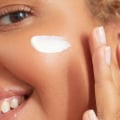
Understanding SPF, or Sun Protection Factor, is essential for anyone who wishes to maintain healthy skin while enjoying the outdoors. SPF serves as a critical measure of how effectively a sunscreen can shield the skin from the harmful effects of ultraviolet (UV) radiation, particularly UVB rays, which are primarily responsible for sunburn and can lead to more severe skin issues, including skin cancer. The significance of SPF cannot be overstated; it acts as a first line of defence against the sun's damaging rays, making it a vital component of any skincare routine.When we talk about the importance of SPF, we are not merely discussing a number on a bottle. Each SPF rating indicates the level of protection offered against UVB rays, with higher numbers suggesting greater protection. , or Sun Protection Factor, is essential for anyone who wishes to maintain healthy skin while enjoying the outdoors. SPF serves as a critical measure of how effectively a sunscreen can shield the skin from the harmful effects of ultraviolet (UV) radiation, particularly UVB rays, which are primarily responsible for sunburn and can lead to more severe skin issues, including skin cancer. The significance of SPF cannot be overstated; it acts as a first line of defence against the sun's damaging rays, making it a vital component of any skincare routine.When we talk about the importance of SPF, we are not merely discussing a number on a bottle. Each SPF rating indicates the level of protection offered against UVB rays, with higher numbers suggesting greater protection.
For instance, an SPF 30 sunscreen blocks approximately 97% of UVB rays, while SPF 50 blocks about 98%. However, many people mistakenly believe that higher SPF means they can spend more time in the sun without reapplying. This misconception can lead to inadequate protection and increased risk of skin damage.Moreover, understanding SPF goes beyond just knowing its definition; it encompasses recognising the broader implications for skin health. Regular use of sunscreen with adequate SPF can significantly reduce the risk of premature ageing and skin cancers.
It is crucial to choose a broad-spectrum sunscreen that protects against both UVA and UVB rays, as UVA rays penetrate deeper into the skin and contribute to long-term damage. By prioritising SPF in our daily skincare regimen, we not only protect our skin but also promote overall well-being.
The Science Behind SPF: How It Works
Understanding how SPF works is essential for anyone looking to protect their skin from the harmful effects of the sun. SPF, or Sun Protection Factor, is a measure of how effectively a sunscreen can shield the skin from UVB rays, which are primarily responsible for sunburn and can lead to skin cancer. However, it is equally important to consider UVA rays, which penetrate deeper into the skin and are associated with premature aging and other long-term skin damage.UV Rays and Their Impact on Skin Health
There are two main types of ultraviolet (UV) rays that affect our skin:
- UVA Rays: These rays account for approximately 95% of the UV radiation that reaches the Earth's surface.
They can penetrate deep into the dermis, the skin's thickest layer, causing long-term damage such as wrinkles, loss of elasticity, and even some forms of skin cancer.
- UVB Rays: These rays are primarily responsible for causing sunburn. They have a shorter wavelength than UVA rays and primarily affect the outer layer of the skin (epidermis). While they are less prevalent than UVA rays, they play a significant role in developing skin cancer.
How SPF Works
The mechanism by which SPF protects the skin involves both physical and chemical processes. When sunscreen is applied, it forms a protective barrier on the skin's surface.
This barrier either reflects or absorbs UV radiation:
- Physical Blockers: Ingredients like zinc oxide and titanium dioxide act as physical blockers. They sit on top of the skin and reflect UV rays away from it, preventing them from penetrating. Ingredients like zinc oxide and titanium dioxide act as physical blockers. They sit on top of the skin and reflect UV rays away from it, preventing them from penetrating.
- Chemical Absorbers: Ingredients such as avobenzone and octisalate absorb UV radiation and convert it into heat, which is then released from the skin. This process helps to prevent cellular damage caused by UV exposure.
However, it’s crucial to note that no sunscreen can provide 100% protection. Therefore, reapplication every two hours and using additional protective measures—such as wearing hats or seeking shade—are vital for comprehensive sun protection.In summary, understanding the science behind SPF not only helps in selecting the right sunscreen but also empowers individuals to take proactive steps in safeguarding their skin against sun damage.
Decoding SPF Numbers: What They Really Mean
Understanding SPF numbers is essential for making informed choices about sun protection. SPF, or Sun Protection Factor, indicates the level of protection a sunscreen provides against UVB rays, which are primarily responsible for sunburn and can contribute to skin cancer. However, many people are unaware of what these numbers truly signify and how they relate to their individual needs.To decode SPF ratings, it’s important to grasp the percentage of UVB rays that each level can block:- SPF 15: Blocks approximately 93% of UVB rays.
- SPF 30: Blocks about 97% of UVB rays.
- SPF 50: Blocks around 98% of UVB rays.
- SPF 100: Blocks approximately 99% of UVB rays.
This leads many experts to recommend using at least SPF 30 for daily activities, as it provides adequate protection for most skin types under normal conditions.When selecting the right SPF for your needs, consider the following factors:
- Your Skin Type: Individuals with fair skin or a history of skin cancer should opt for higher SPFs, as they are more susceptible to sun damage.
- Duration of Sun Exposure: If you plan to be outdoors for extended periods, especially during peak sun hours, a higher SPF is advisable.
- Activity Level: For those engaging in water sports or activities that induce sweating, a water-resistant sunscreen with at least SPF 30 is essential to maintain protection.
Choosing the Right Sunscreen: Factors to Consider
Choosing the right sunscreen is essential for effective sun protection, and several factors should guide your decision. Understanding your skin type, activity level, and the specific environmental conditions you will encounter can significantly influence your choice.Skin Type Considerations
Your skin type plays a crucial role in determining the most suitable sunscreen.Here are some guidelines based on different skin types:
- Fair Skin: Individuals with fair skin, who often burn easily, should opt for a broad-spectrum sunscreen with a higher SPF, ideally 30 or above. Look for formulations that contain physical blockers like zinc oxide or titanium dioxide, as they provide effective protection against both UVA and UVB rays.
- Oily or Acne-Prone Skin: If you have oily or acne-prone skin, consider gel-based or non-comedogenic sunscreens that won’t clog pores. Look for products labelled as oil-free and containing ingredients like salicylic acid to help manage breakouts.
- Dry Skin: For those with dry skin, a moisturising sunscreen with hydrating ingredients such as glycerin or hyaluronic acid can provide both sun protection and moisture. Cream-based formulations are often more beneficial for this skin type.
- Sensitive Skin: If you have sensitive skin, choose sunscreens that are fragrance-free and formulated for sensitive skin.
Look for physical sunscreens with minimal ingredients to reduce the risk of irritation.
Activity Level and Environmental Factors
Your level of activity and the environment in which you will be spending time also dictate your sunscreen choice:- Water Activities: If you plan to swim or engage in water sports, select a water-resistant sunscreen that maintains its SPF protection even when wet. Look for products that specify their water resistance duration (e.g., 40 or 80 minutes).
- Outdoor Sports: For outdoor activities that involve sweating, opt for a sweat-resistant formula. These sunscreens are designed to stay on the skin longer despite perspiration.
- Urban Environments: In urban settings where pollution is prevalent, consider sunscreens that contain antioxidants like vitamin C or E. These ingredients can help combat oxidative stress caused by environmental aggressors.
Sunscreen Ingredients to Look For
The ingredients in your sunscreen are just as important as the SPF rating.Here are some key components to consider:
- Zinc Oxide and Titanium Dioxide: These physical blockers reflect UV rays away from the skin and are ideal for sensitive skin types.
- Chemical Filters: Ingredients like avobenzone, octisalate, and octocrylene absorb UV radiation but may not be suitable for everyone due to potential irritation.
- Avoid Harmful Additives: Steer clear of sunscreens containing oxybenzone, which has been linked to hormone disruption. Additionally, avoid products with artificial fragrances that can irritate sensitive skin.
The Role of Sunscreen Ingredients: What to Look For
When selecting a sunscreen, understanding the ingredients is just as important as knowing the SPF level. Sunscreens can be broadly categorised into two types based on their active ingredients: physical (mineral) sunscreens and chemical sunscreens.Each type has its own mechanism of action, benefits, and potential drawbacks.
Physical (Mineral) Sunscreens
Physical sunscreens contain active mineral ingredients such as zinc oxide and titanium dioxide. These ingredients work by sitting on the surface of the skin and physically blocking and reflecting UV rays away from the skin. Here are some key points about physical sunscreens:- Immediate Protection: They provide protection as soon as they are applied, making them ideal for immediate sun exposure.
- Less Irritating: Generally, physical sunscreens are less likely to irritate sensitive skin, making them suitable for those with conditions like rosacea or eczema.
- Broad-Spectrum Protection: They effectively block both UVA and UVB rays, offering comprehensive sun protection.
Chemical Sunscreens
Chemical sunscreens contain organic compounds that absorb UV radiation and convert it into heat, which is then released from the skin. Common ingredients include avobenzone , octisalate , and oxybenzone.Here are some considerations regarding chemical sunscreens:
- Application Time: They typically require about 20 minutes after application to become effective.
- Potential for Irritation: Some individuals may experience irritation or allergic reactions to certain chemical filters, particularly those with sensitive skin.
- Sustainability Concerns: Certain chemical ingredients have been linked to coral reef damage, prompting some regions to ban their use in sunscreens.
Avoiding Harmful Ingredients
While many sunscreen ingredients are safe and effective, some can pose risks to your health or the environment. Here are a few ingredients to be cautious of:- Oxybenzone: This ingredient has been associated with hormone disruption and is known to cause allergic reactions in some individuals. It is also harmful to marine life.
- Parabens: Often used as preservatives in cosmetics, parabens can mimic estrogen in the body and have raised concerns regarding their potential link to breast cancer.
- Fragrances: Synthetic fragrances can irritate the skin and trigger allergic reactions, especially in those with sensitive skin types.
Application Tips: How to Use Sunscreen Effectively
Applying sunscreen correctly is essential for ensuring maximum protection against harmful UV rays.Here are some practical tips to help you apply sunscreen effectively:
- Choose the Right Amount: A common mistake is not using enough sunscreen. For full-body coverage, aim for about one ounce (approximately a shot glass full) for adults. For your face, a nickel-sized amount is usually sufficient.
- Apply Before Sun Exposure: Sunscreen should be applied at least 15 to 30 minutes before going outside. This allows the product to absorb into the skin and form an effective barrier against UV rays.
- Use Even Coverage: Ensure that you apply sunscreen evenly across all exposed areas of your skin.
Pay special attention to commonly missed spots such as the ears, back of the neck, and tops of the feet.
- Don’t Forget Your Face: Use a broad-spectrum sunscreen specifically formulated for the face if you have sensitive skin. Look for non-comedogenic options that won’t clog pores.
- Reapply Regularly: Sunscreen should be reapplied every two hours, or more frequently if you are swimming or sweating. Even water-resistant formulas can wear off, so it’s crucial to stay vigilant.
- Use a Timer or Reminder: To ensure you don’t forget to reapply, set a timer on your phone or use a reminder app. This can help you maintain consistent protection throughout the day.
- Avoid Common Mistakes: Many people forget to apply sunscreen on cloudy days or assume that makeup with SPF is sufficient.
Remember that UV rays can penetrate clouds, and makeup alone may not provide adequate protection.
Beyond Sunscreen: Additional Ways to Protect Your Skin from Sun Damage
While applying sunscreen is a vital step in safeguarding your skin from sun damage, it is equally important to adopt additional protective measures. These methods can significantly enhance your overall sun protection strategy, ensuring that your skin remains healthy and resilient against harmful UV rays.Seek Shade
One of the simplest yet most effective ways to protect your skin from sun damage is to seek shade, especially during peak sunlight hours. The sun's rays are typically strongest between 10 am and 4 pm , making it crucial to find shelter during these times.Here are some tips for seeking shade:
- Natural Shade: Look for trees, canopies, or other natural formations that can provide cover from direct sunlight.
- Umbrellas and Tents: If you’re at the beach or a picnic, consider bringing a beach umbrella or a pop-up tent to create your own shaded area.
- Indoor Breaks: If you’re outdoors for an extended period, take regular breaks indoors or in shaded areas to give your skin a rest from UV exposure.
Wear Protective Clothing
Clothing can serve as an excellent barrier against UV rays. When choosing what to wear, consider the following:- UPF Clothing: Look for garments with a high Ultraviolet Protection Factor (UPF). These specially designed fabrics block out a significant percentage of UV radiation.
- Loose-Fitting Attire: Opt for loose-fitting clothing that covers as much skin as possible. Tight clothing may not provide adequate protection.
- Hats: A wide-brimmed hat can shield your face, neck, and ears from direct sunlight.
Choose hats with a brim of at least 3 inches for optimal coverage.
- Sunglasses: Protect your eyes with sunglasses that offer 100% UV protection. This will help prevent damage to the delicate skin around your eyes and reduce the risk of cataracts.
Myths and Misconceptions About SPF and Sun Protection
When it comes to sun protection, numerous myths and misconceptions can cloud our understanding of SPF and its importance. Addressing these misunderstandings is vital for making informed decisions about skincare and sun safety.Myth 1: Higher SPF Means Better Protection
Many people believe that using a sunscreen with a very high SPF, such as SPF 100, offers significantly better protection than SPF 30.
While it’s true that higher SPF numbers block a greater percentage of UVB rays, the difference in protection is marginal. For instance, SPF 30 blocks about 97% of UVB rays, while SPF 50 blocks approximately 98%. This minimal difference means that using an SPF of 30 is generally sufficient for daily use, provided it is reapplied regularly.
Myth 2: You Don’t Need Sunscreen on Cloudy Days
Another common misconception is that sunscreen is unnecessary when the sun isn’t shining brightly. In reality, up to 80% of UV rays can penetrate through clouds.
Therefore, even on overcast days, applying sunscreen is essential to protect your skin from potential damage.
Myth 3: Darker Skin Doesn’t Need Sunscreen
While it’s true that individuals with darker skin have more melanin, which provides some natural protection against UV rays, they are still at risk for sun damage and skin cancer. Everyone, regardless of skin tone, should use sunscreen to safeguard their skin from harmful UV exposure.
Myth 4: Sunscreen Is Only Necessary in Summer
Many people think that sunscreen is only needed during the summer months. However, UV rays can be harmful year-round, even in winter or during cooler seasons. Snow can reflect up to 80% of UV rays, increasing exposure risk.
Thus, wearing sunscreen should be a year-round habit.
Myth 5: You Can Skip Sunscreen If You’re Wearing Makeup
Some believe that makeup containing SPF provides adequate sun protection. While it’s beneficial to use makeup with SPF as an additional layer of defence, it should not replace dedicated sunscreen application. Most people do not apply enough makeup to achieve the level of protection indicated on the product label.Understanding these myths helps clarify the truth about sun exposure and the necessity of proper sun protection. By debunking these misconceptions, individuals can take proactive steps to protect their skin effectively and maintain its health over time.
The Importance of Regular Skin Checks: Monitoring for Damage
Regular skin checks are an essential part of maintaining skin health, particularly for those who spend significant time in the sun.These examinations can help identify early signs of sun damage and skin cancer, allowing for timely intervention and treatment.
Why Regular Skin Checks Matter
Skin cancer is one of the most common types of cancer, and its incidence has been rising steadily. Early detection is crucial because it significantly increases the chances of successful treatment. By performing regular skin checks, you can monitor your skin for any changes that may indicate potential issues.
What to Look For
When conducting a skin check, pay attention to the following signs:
- New Growths: Any new moles or growths that appear on your skin should be examined closely.
- Changes in Existing Moles: Look for changes in size, shape, or colour. A mole that becomes asymmetrical or has irregular borders may be a cause for concern.
- Itching or Bleeding: Moles that itch, bleed, or crust over can indicate underlying issues.
- Colour Variations: Moles with multiple colours or uneven pigmentation should be evaluated by a professional.
When to See a Dermatologist
If you notice any of the above signs or have concerns about your skin, it’s important to consult a dermatologist promptly.
Additionally, even if you do not see any immediate changes, it is advisable to schedule a professional skin examination at least once a year, especially if you have risk factors such as:
- A family history of skin cancer
- Fair skin that burns easily
- A history of excessive sun exposure or tanning bed use
- A weakened immune system
Proactive Skincare Habits
Incorporating regular skin checks into your skincare routine not only helps in early detection but also fosters a proactive approach to skincare. Make it a habit to examine your skin monthly and keep track of any changes. This practice empowers you to take charge of your skin health and encourages discussions with healthcare professionals about any concerns.In conclusion, regular skin checks are vital for monitoring sun damage and identifying potential signs of skin cancer. By being vigilant and proactive, you can significantly enhance your chances of early detection and successful treatment.
Conclusion: Embracing a Comprehensive Approach to Sun Protection
In conclusion, the significance of SPF in safeguarding our skin from the harmful effects of sun exposure cannot be overstated.Throughout this article, we have explored the various facets of sun protection, highlighting not only the role of SPF but also the importance of a comprehensive approach to maintaining skin health.Understanding that SPF is a critical component in our skincare routine is essential. However, it is equally important to recognise that relying solely on sunscreen is insufficient. A multifaceted strategy that includes seeking shade, wearing protective clothing, and using sunglasses with UV protection is vital for optimal defence against sun damage.Moreover, selecting the right sunscreen involves more than just choosing a high SPF. It requires an awareness of the ingredients present in the product.
Opting for broad-spectrum sunscreens that protect against both UVA and UVB rays ensures comprehensive coverage. Ingredients such as zinc oxide and titanium dioxide are excellent choices for physical protection, while chemical blockers like avobenzone can offer effective absorption of harmful rays.Regularly reapplying sunscreen every two hours, especially after swimming or sweating, is crucial to maintain its effectiveness. This practice, combined with other protective measures, forms a robust barrier against skin damage.Ultimately, embracing a holistic approach to sun protection not only helps prevent immediate issues like sunburn but also mitigates long-term risks such as premature aging and skin cancer. By integrating these practices into our daily lives, we can enjoy the sun safely while preserving our skin's health.As we move forward, let us commit to making informed choices about sun protection.
Regular skin checks and consultations with dermatologists can further enhance our efforts in maintaining healthy skin. Remember, prevention is always better than cure; prioritising sun safety today will pay dividends for our skin tomorrow.