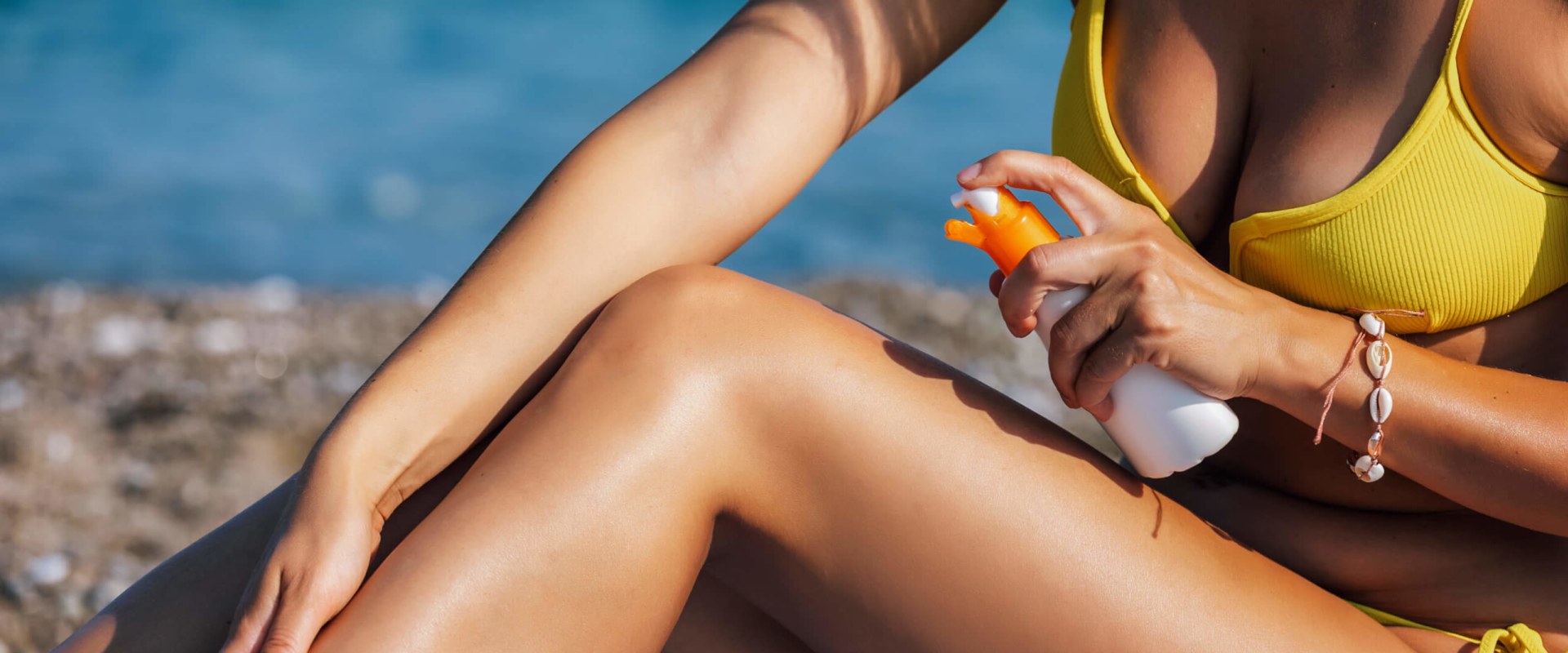
Understanding SPF is essential for anyone looking to protect their skin while enjoying the sun. SPF, or Sun Protection Factor, is a numerical rating that indicates the level of protection a sunscreen offers against UVB rays, which are primarily responsible for sunburn and can contribute to skin cancer. The higher the SPF number, the greater the protection it provides. For instance, an SPF of 30 means that theoretically, you can stay in the sun 30 times longer without burning than if you were not wearing any sunscreen at all.
Just as sustainable practices are important for maintaining a healthy environment, using sunscreen is crucial for safeguarding your skin.However, it’s important to note that SPF does not measure protection against UVA rays, which can penetrate deeper into the skin and lead to premature aging and other long-term skin damage. This is why choosing a broad-spectrum sunscreen is crucial; it ensures that you are protected from both UVB and UVA rays. When selecting a sunscreen, look for labels that specify "broad-spectrum" to ensure comprehensive protection.Another key aspect of SPF is how it works in practice. Sunscreen needs to be applied generously and evenly to all exposed skin for it to be effective. Just as sustainable practices are important for maintaining a healthy environment, using sunscreen is crucial for safeguarding your skin.However, it’s important to note that SPF does not measure protection against UVA rays, which can penetrate deeper into the skin and lead to premature aging and other long-term skin damage. This is why choosing a broad-spectrum sunscreen is crucial; it ensures that you are protected from both UVB and UVA rays. When selecting a sunscreen, look for labels that specify "broad-spectrum" to ensure comprehensive protection.Another key aspect of SPF is how it works in practice. Sunscreen needs to be applied generously and evenly to all exposed skin for it to be effective.
Many people underestimate the amount of sunscreen required; a common guideline is to use about a shot glass full for full-body coverage. Additionally, reapplication every two hours—or more frequently if swimming or sweating—is vital to maintain protection levels. Without proper application and reapplication, even high-SPF products may not provide the expected level of protection.In summary, understanding what SPF means and how it functions is fundamental for anyone who wishes to enjoy the sun safely. By grasping these concepts, you can make informed choices about your sunscreen use and better protect your skin from harmful UV rays while still achieving that coveted tan.
The Difference Between UVA and UVB Rays
Understanding the differences between UVA and UVB rays is crucial for effective sun protection.Both types of ultraviolet radiation can cause significant damage to the skin, but they do so in different ways.
UVA Rays:
- Longer Wavelengths: UVA rays have longer wavelengths, ranging from 320 to 400 nanometers. This allows them to penetrate deeper into the skin, reaching the dermis, which is where collagen and elastin reside.
- Skin Aging: These rays are primarily responsible for photoaging, leading to wrinkles, fine lines, and loss of skin elasticity. Over time, prolonged exposure can result in a leathery appearance.
- Skin Cancer Risk: UVA rays are also linked to an increased risk of skin cancers, including melanoma. They can damage the DNA in skin cells, contributing to mutations that may lead to cancer.
UVB Rays:
- Shorter Wavelengths: UVB rays have shorter wavelengths, ranging from 290 to 320 nanometers.
They primarily affect the outer layer of the skin (epidermis).
- Sunburns: These rays are responsible for causing sunburns and are most intense during midday hours. They play a significant role in the development of skin cancer due to their ability to directly damage DNA.
- Sunscreen Protection: The SPF rating on sunscreen products primarily measures protection against UVB rays. However, it is essential to choose a broad-spectrum sunscreen that protects against both UVA and UVB rays.
The Importance of Broad-Spectrum Protection:
When selecting sunscreen, look for products labelled as broad-spectrum. This indicates that they provide protection against both UVA and UVB rays.
Using a broad-spectrum sunscreen is vital because while you may be protecting yourself from sunburn (UVB), you could still be at risk for long-term skin damage and aging caused by UVA exposure.In summary, both UVA and UVB rays pose risks to your skin health. Understanding their differences helps you make informed choices about sun protection, ensuring that you enjoy the sun safely while minimising potential harm.
Can You Tan While Wearing Sunscreen?
One of the most prevalent myths surrounding sunscreen is the belief that it entirely prevents tanning. This misconception can lead to confusion for those who wish to enjoy the sun while still protecting their skin. The reality is more nuanced, and understanding how SPF interacts with tanning is essential for anyone looking to achieve a sun-kissed glow safely.To begin with, it’s important to clarify that SPF (Sun Protection Factor) primarily measures protection against UVB rays, which are responsible for sunburn.However, it does not provide complete immunity from UVA rays, which can also contribute to tanning. Therefore, while wearing sunscreen, you can still tan, albeit at a potentially slower rate and with less intensity than if you were unprotected.
How Different SPFs Affect Tanning
The level of SPF you choose plays a significant role in how much tanning occurs. A higher SPF offers greater protection against UVB rays, which means that while you may still tan, the depth and richness of that tan will be less pronounced. For instance:
- SPF 15: Provides moderate protection and allows for a more noticeable tan.
- SPF 30: Offers substantial protection, resulting in a lighter tan.
- SPF 50: Provides high protection, leading to minimal tanning.
However, this comes with increased risk of sunburn and long-term skin damage.
Factors Influencing Tanning While Protected
Several factors influence how effectively you can tan while wearing sunscreen:
- Skin Type: Individuals with fair skin tend to burn more easily and may require higher SPF levels, which can limit tanning potential. Conversely, those with darker skin may find they can use lower SPFs without burning.
- Application Method: Proper application is crucial. Sunscreen should be applied generously and evenly to all exposed areas of the skin. Insufficient application can lead to uneven tanning and increased risk of sunburn.
- Reapplication Frequency: Sunscreen wears off over time due to sweating, swimming, or simply through natural wear.
Reapplying every two hours is essential for maintaining protection and ensuring that your skin can still tan safely.
Choosing the Right SPF for Your Skin Type
Choosing the right SPF is essential for protecting your skin while still allowing for a healthy tan. Different skin types react uniquely to sun exposure, and understanding these differences can help you select the most effective sunscreen.Fair Skin
If you have fair skin, you are likely more susceptible to sunburn and skin damage. Individuals with this skin type often have light hair and eyes, and they may burn easily even after short periods in the sun.
For fair skin, it is advisable to use a broad-spectrum sunscreen with a minimum SPF of 30. This level of protection helps shield against both UVA and UVB rays, reducing the risk of burns while still allowing for a gradual tan. Reapplication every two hours is crucial, especially after swimming or sweating.
Medium Skin
Those with medium skin tones typically tan more easily than fair-skinned individuals but can still experience sunburn. An SPF of 15 to 30 is generally suitable for this skin type.
While you may achieve a deeper tan with lower SPFs, it’s important to remember that adequate protection is still necessary to prevent long-term damage. Opt for a water-resistant formula if you plan on being active outdoors.
Dark Skin
People with dark skin have more melanin, which provides some natural protection against UV rays. However, this does not mean that they are immune to sun damage or skin cancer. An SPF of 15 is often sufficient for darker skin tones, but using a higher SPF can still be beneficial, especially during prolonged sun exposure.
It’s also important to choose a sunscreen that hydrates the skin, as darker skin can be prone to dryness.
Additional Considerations
- Skin Sensitivity: If you have sensitive skin or conditions like eczema or rosacea, consider mineral-based sunscreens containing zinc oxide or titanium dioxide. These ingredients are less likely to irritate the skin.
- Water Resistance: If you plan on swimming or sweating, look for water-resistant formulas that maintain their SPF protection for up to 80 minutes.
- Broad-Spectrum Protection: Always choose a broad-spectrum sunscreen that protects against both UVA and UVB rays to ensure comprehensive coverage.
The Importance of Reapplication: How Often Should You Apply Sunscreen?
When it comes to protecting your skin from harmful UV rays, the importance of reapplying sunscreen cannot be overstated. Many individuals mistakenly believe that a single application of sunscreen is sufficient for an entire day in the sun.However, this is far from the truth. To ensure continuous protection, it is essential to understand how often to reapply sunscreen and the factors that influence this frequency.As a general rule, it is recommended to reapply sunscreen every two hours, especially if you are spending extended periods outdoors. This guideline holds true regardless of the SPF level of your sunscreen. The reason for this frequent reapplication is that various factors can diminish the effectiveness of sunscreen over time.
Factors Affecting Sunscreen Efficacy
- Water Exposure: If you are swimming or sweating, your sunscreen can wash away or become less effective.
Even water-resistant formulas require reapplication after 40 to 80 minutes of water exposure.
- Physical Activity: Engaging in activities that cause sweating can lead to a quicker breakdown of sunscreen. If you are exercising outdoors, consider reapplying more frequently.
- Time of Day: UV rays are strongest between 10 a.m. and 4 p.m. During these hours, it is particularly important to adhere to the two-hour rule.
- Skin Type: Individuals with fair skin may need to reapply more often than those with darker skin tones due to their increased susceptibility to sunburn.
- Use a Generous Amount: Apply at least a shot glass full (about 30ml) for full body coverage.
Don’t skimp on the amount; less product means less protection.
- Set a Timer: Use your phone or a watch to remind you when it’s time to reapply. This can help you stay consistent and avoid forgetting.
- Choose the Right Formulation: Consider using spray sunscreens for easy reapplication, especially on hard-to-reach areas. However, ensure that you apply enough product for adequate coverage.
- Layering Products: If you use makeup or moisturisers with SPF, remember that these should not replace your regular sunscreen application. They can complement your protection but should not be relied upon solely.
By adhering to the two-hour rule and considering factors such as water exposure and physical activity, you can enjoy your time in the sun while safeguarding your skin from potential damage. Remember, consistent application is key to achieving that coveted tan without compromising your skin's health.
The Risks of Tanning Without Protection
While the allure of a sun-kissed glow is undeniable, it is essential to understand the dangers of tanning without sunscreen. Many individuals underestimate the risks associated with unprotected sun exposure, often prioritising aesthetics over health. The reality is that UV radiation can have severe and lasting effects on the skin.One of the most significant risks of tanning without adequate protection is the increased likelihood of developing skin cancer.According to the World Health Organization, excessive UV exposure is a leading cause of skin cancer, including melanoma, basal cell carcinoma, and squamous cell carcinoma. In fact, studies indicate that just five sunburns can double your risk of developing melanoma later in life.Moreover, the long-term effects of UV exposure extend beyond skin cancer. Regular unprotected tanning can lead to:
- Premature Aging: UV rays accelerate the skin's aging process, resulting in wrinkles, fine lines, and a loss of elasticity. This condition, often referred to as photoaging, can make individuals appear older than their actual age.
- Hyperpigmentation: Prolonged sun exposure can cause uneven skin tone and dark spots, commonly known as sunspots or age spots.
These blemishes can be challenging to treat and may require professional intervention.
- Skin Texture Changes: Unprotected tanning can lead to rough, leathery skin texture due to collagen breakdown. This not only affects appearance but can also impact skin health.
- Immune Suppression: UV radiation can suppress the local immune response in the skin, making it more susceptible to infections and other skin conditions.
Prioritising skin health should always take precedence over achieving a tan.
Myths About Sunscreen and Tanning Debunked
When it comes to sunscreen and tanning, numerous myths circulate that can lead to confusion and misinformation. Understanding the truth behind these misconceptions is essential for making informed decisions about sun exposure and skin health.Myth 1: Sunscreen Prevents Tanning Completely
One of the most prevalent myths is that wearing sunscreen will entirely prevent you from tanning. In reality, while sunscreen significantly reduces the amount of UV radiation that reaches your skin, it does not block it out completely. This means that you can still achieve a tan, albeit a lighter one, when using an appropriate SPF.The key is to choose a broad-spectrum sunscreen that protects against both UVA and UVB rays.
Myth 2: Higher SPF Means No Tan
Another common misconception is that using a higher SPF will result in no tan at all. While it’s true that higher SPF products offer more protection, they do not eliminate the possibility of tanning. Instead, they allow for a slower and safer tanning process. For instance, if you use SPF 50, you may still develop a tan over time, but it will be less intense compared to using a lower SPF.Myth 3: You Only Need Sunscreen on Sunny Days
Many people believe that sunscreen is only necessary on bright, sunny days.This is misleading; UV rays can penetrate clouds and still cause skin damage even when the sun isn’t shining directly. Therefore, it’s crucial to apply sunscreen daily, regardless of the weather conditions.
Myth 4: Sunscreen is Only for Summer
Some individuals think that sunscreen is only needed during the summer months. However, UV exposure can occur year-round, especially in areas with high altitudes or near reflective surfaces like water or snow. To protect your skin effectively, incorporate sunscreen into your daily skincare routine throughout the year.Myth 5: You Don’t Need Sunscreen if You Have Dark Skin
A common belief is that individuals with darker skin tones do not need sunscreen because they are less likely to burn.While it’s true that darker skin has more melanin, which offers some natural protection against UV rays, it does not mean they are immune to sun damage or skin cancer. Everyone, regardless of skin tone, should use sunscreen to protect against harmful UV radiation.By debunking these myths about sunscreen and tanning, you can make better choices for your skin health while still enjoying the sun responsibly. Remember to apply sunscreen generously and reapply every two hours for optimal protection.
Tips for Safe Tanning While Using Sunscreen
Achieving a beautiful tan while prioritising skin safety is entirely possible with the right approach. Here are some essential tips to help you tan safely while using sunscreen:- Choose the Right Sunscreen: Opt for a broad-spectrum sunscreen with an SPF of at least 30.
This will protect against both UVA and UVB rays, allowing you to tan gradually without risking sunburn. Look for products that contain natural ingredients like zinc oxide or titanium dioxide, which are less likely to irritate the skin.
- Timing is Key: The sun's rays are strongest between 10 a.m. To tan safely, aim for sun exposure outside these hours. Early morning or late afternoon sun can provide a gentler tanning experience, reducing the risk of overexposure.
- Start Slow: If you’re new to tanning or have fair skin, begin with short periods of sun exposure—around 15 to 30 minutes—and gradually increase the time as your skin adapts.
This approach helps prevent burns while allowing your skin to develop a tan.
- Reapply Regularly: Sunscreen effectiveness diminishes over time, especially when swimming or sweating. Reapply every two hours, or immediately after swimming or towel drying, to maintain optimal protection and ensure your tanning efforts are not compromised.
- Consider Tanning Oils: Some products are designed to enhance tanning while providing SPF protection. Look for tanning oils that offer hydration and contain SPF. These can help you achieve a deeper tan while still safeguarding your skin.
- Stay Hydrated: Keeping your skin hydrated is crucial for maintaining its health and elasticity.
Drink plenty of water and use moisturisers after sun exposure to help prolong your tan and prevent peeling.
- Monitor Your Skin: Pay attention to how your skin reacts during tanning sessions. If you notice any redness or discomfort, it’s essential to seek shade immediately and apply soothing aloe vera or after-sun lotion to calm the skin.
Conclusion: Enjoying the Sun Responsibly
As we conclude our exploration of SPF and its relationship with tanning, it is essential to reiterate the key takeaways that can help you enjoy the sun responsibly while prioritising your skin's health.First and foremost, wearing sunscreen does not mean you have to forgo a beautiful tan. With the right SPF, you can still achieve a sun-kissed glow without exposing your skin to harmful UV rays.Remember, SPF is designed to protect against sunburn and long-term skin damage, allowing for a safer tanning experience.It is crucial to choose a broad-spectrum sunscreen that protects against both UVA and UVB rays. This ensures comprehensive protection, as UVA rays can penetrate deeper into the skin and contribute to premature ageing and skin cancer. Opting for a higher SPF can help mitigate the risk of burning while still allowing for some tanning.Another vital aspect is the frequency of reapplication. Sunscreen should be reapplied every two hours, or more often if you are swimming or sweating.
This practice not only maintains your protection but also supports a gradual and even tan.Understanding your skin type is equally important. Fair-skinned individuals may require higher SPF levels compared to those with darker skin tones. Tailoring your sunscreen choice to your unique skin characteristics can enhance both safety and tanning results.Lastly, it is imperative to acknowledge the dangers associated with excessive sun exposure without protection. The long-term consequences of unprotected tanning can lead to serious health issues, including skin cancer.
Therefore, while achieving a tan may be appealing, it should never come at the expense of your well-being.In summary, you can enjoy the sun and achieve a tan responsibly by using an appropriate SPF, reapplying regularly, understanding your skin type, and being aware of the risks involved. By following these guidelines, you can bask in the sunshine while safeguarding your skin's health for years to come.