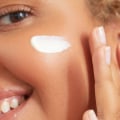
Sun Protection Factor, commonly referred to as SPF, is a critical term in the realm of skincare, particularly when it comes to safeguarding our skin from the sun's harmful rays. At its core, SPF is a measure of how well a sunscreen can protect the skin from ultraviolet B (UVB) radiation, which is primarily responsible for causing sunburn. The numerical value associated with SPF indicates the level of protection it offers; for instance, an SPF of 30 suggests that you can theoretically stay in the sun 30 times longer than you could without any protection before experiencing sunburn. However, this is a simplified explanation and does not account for various factors such as skin type, intensity of sunlight, and application methods.
Understanding SPF is essential for effective skin cancer treatments.Understanding how Understanding SPF is essential for effective skin cancer treatments.Understanding how SPF works requires a closer look at the science behind it. When applied to the skin, sunscreen forms a protective barrier that absorbs or reflects UV radiation. The active ingredients in these products can either be chemical filters that absorb UV rays or physical blockers that reflect them away from the skin. This dual action is essential because while UVB rays are known for causing immediate damage like sunburn, UVA rays penetrate deeper into the skin and contribute to long-term effects such as premature aging and an increased risk of skin cancer.
Therefore, it is crucial to choose a broad-spectrum sunscreen that protects against both types of UV radiation.The importance of understanding SPF cannot be overstated. With increasing awareness about skin health and the risks associated with UV exposure, knowing what SPF means and how it functions empowers individuals to make informed choices about their sun protection strategies. Whether you are planning a day at the beach or simply running errands on a sunny day, incorporating an appropriate SPF into your skincare routine is vital for maintaining healthy skin and preventing long-term damage.
The Different Types of UV Rays: UVA vs. UVB
When it comes to sun protection, understanding the different types of ultraviolet (UV) rays is crucial.The two primary types of UV rays that affect our skin are UVA and UVB. Each type has distinct characteristics and effects on the skin, making it essential to consider both when selecting a sunscreen.
Understanding UVA Rays
UVA rays
account for approximately 95% of the UV radiation that reaches the Earth's surface. These rays penetrate deeply into the skin, affecting the dermis, which is the layer responsible for skin elasticity and firmness. The long-term exposure to UVA rays can lead to:
- Premature aging: UVA rays are primarily responsible for photoaging, which manifests as wrinkles, fine lines, and loss of skin elasticity.
- Skin cancer: Prolonged exposure to UVA rays can contribute to the development of skin cancers, including melanoma.
- Hyperpigmentation: These rays can trigger melanin production, leading to dark spots and uneven skin tone.
The Role of UVB Rays
UVB rays
, on the other hand, are responsible for causing sunburn.
They primarily affect the outer layer of the skin (epidermis) and play a significant role in the development of skin cancer. Key points about UVB rays include:
- Sunburn: UVB rays are most intense during midday and can cause immediate damage to the skin, resulting in redness and pain.
- Vitamin D synthesis: These rays are essential for the production of vitamin D in the skin, which is vital for overall health.
- Cancer risk: UVB exposure is directly linked to an increased risk of developing various types of skin cancer, including basal cell carcinoma and squamous cell carcinoma.
The Key Differences Between UVA and UVB
The primary differences between UVA and UVB rays can be summarised as follows:- PENETRATION: UVA rays penetrate deeper into the skin compared to UVB rays, which primarily affect the surface.
- EFFECTS: While UVA is associated with long-term skin damage and aging, UVB is responsible for immediate effects like sunburn.
- CANCER RISK: Both types contribute to skin cancer risk but in different ways; UVA promotes deeper damage while UVB causes direct DNA damage in skin cells.
Why SPF is Essential for Skin Health
Incorporating SPF into your daily skincare routine is not merely a suggestion; it is a vital necessity for maintaining optimal skin health.The sun emits harmful ultraviolet (UV) rays that can lead to a myriad of skin issues, including premature aging and skin cancer. Understanding the importance of SPF can empower individuals to take proactive steps in safeguarding their skin.
Skin Cancer Prevention
One of the most compelling reasons to use SPF is its role in preventing skin cancer. According to the Skin Cancer Foundation, regular use of sunscreen with an SPF of 15 or higher can reduce the risk of developing squamous cell carcinoma by approximately 40% and melanoma by 50%. These statistics highlight the critical nature of sun protection, especially considering that skin cancer is one of the most common forms of cancer worldwide.Moreover, UV radiation is responsible for over 90% of nonmelanoma skin cancers.
By applying SPF daily, you significantly lower your chances of these life-threatening conditions. It is essential to remember that UV rays can penetrate through clouds and reflect off surfaces like water and sand, making sun protection necessary even on overcast days.
Benefits Beyond Cancer Prevention
While the prevention of skin cancer is a primary concern, the benefits of using SPF extend far beyond this critical aspect. Regular application of sunscreen helps to:
- Prevent Premature Aging: UV exposure accelerates the formation of fine lines, wrinkles, and age spots. By using SPF, you can maintain a youthful appearance and keep your skin looking vibrant.
- Maintain Even Skin Tone: Sunscreen helps prevent hyperpigmentation and discoloration caused by sun exposure, promoting a more uniform complexion.
- Reduce Inflammation: Some studies suggest that SPF can help mitigate inflammatory responses in the skin, reducing redness and irritation.
By understanding its importance and benefits, you can make informed choices that contribute to long-term skin vitality.
Choosing the Right SPF for Your Skin Type
Choosing the right SPF is essential for effective sun protection, and it largely depends on your individual skin type and lifestyle. Understanding your skin's unique needs can help you select a sunscreen that not only protects but also complements your skincare routine.1.Assess Your Skin Type
- Fair Skin: If you have light or fair skin that burns easily, opt for a higher SPF, ideally SPF 30 or above. This provides a greater margin of safety against UVB rays.
- Medium Skin: Those with medium skin tones may find that an SPF of 15 to 30 is sufficient, especially if they tan easily but still burn occasionally.
- Dark Skin: While darker skin has more melanin and offers some natural protection, it is still susceptible to UV damage. An SPF of at least 15 is recommended to prevent long-term skin issues.
2.Consider Your Activities
Your daily activities play a significant role in determining the appropriate SPF.
If you plan to spend extended periods outdoors, especially during peak sun hours, a higher SPF is advisable. For water-related activities or intense workouts, look for water-resistant formulas with an SPF of 30 or higher.
3.Debunking SPF Myths
A common misconception is that higher SPFs provide significantly better protection. For instance, while SPF 30 blocks approximately 97% of UVB rays, SPF 50 only increases that to about 98%. The difference is minimal, which underscores the importance of regular reapplication rather than solely relying on a higher number.
4.Broad-Spectrum Protection
When selecting an SPF product, ensure it offers broad-spectrum protection.
This means it shields against both UVA and UVB rays, as both types can contribute to skin damage and increase the risk of skin cancer.
5.Personalised Recommendations
- If you have sensitive skin or conditions like rosacea or eczema, consider mineral-based sunscreens containing zinc oxide or titanium dioxide, as they are less likely to irritate.
- For oily or acne-prone skin, look for non-comedogenic formulas that won’t clog pores.
- If you wear makeup daily, consider a tinted moisturiser or foundation with added SPF for convenience, but remember to apply a dedicated sunscreen underneath for adequate protection.
How to Apply SPF Correctly for Maximum Protection
Applying sunscreen correctly is vital to ensure that your skin receives the full protective benefits of your chosen SPF. Here are some essential tips to help you apply sunscreen effectively:- Timing is Key: Always apply sunscreen at least 15 minutes before stepping outside. This allows the product to absorb into your skin and form a protective barrier against harmful UV rays.
- Use the Right Amount: A common mistake is not using enough sunscreen.
For full-body coverage, aim for about one ounce (approximately a shot glass full) for adults. For your face, a nickel-sized amount should suffice. Ensure that all exposed areas are adequately covered.
- Even Application: Apply sunscreen evenly across all exposed skin, including often-missed areas such as the back of your neck, ears, and tops of your feet. Don’t forget to apply it to your scalp if you have thinning hair or are bald.
- Reapply Regularly: Sunscreen wears off due to sweating, swimming, or even just daily activities.
It’s crucial to reapply every two hours, or immediately after swimming or excessive sweating. If you’re using a spray sunscreen, make sure to cover all areas thoroughly and rub it in for even distribution.
- Layering with Other Products: If you use makeup or skincare products with SPF, remember that they should not replace your regular sunscreen application. Instead, consider them as an additional layer of protection. Always start with a dedicated sunscreen before applying makeup.
- Check Expiry Dates: Sunscreens do have a shelf life.
Always check the expiry date on the bottle and avoid using products that have expired, as they may not provide adequate protection.
SPF in Makeup and Skincare Products: What You Need to Know
In recent years, the beauty industry has made significant strides in integrating SPF into various makeup and skincare products. This innovation has made it easier for consumers to incorporate sun protection into their daily routines. However, understanding the effectiveness and limitations of these products is crucial for ensuring adequate skin protection.Makeup with SPF
Many foundations, tinted moisturisers, and powders now boast SPF ratings, appealing to those who seek convenience in their beauty regimen.
While these products can provide a degree of sun protection, it is essential to consider a few factors:
- Application Amount: Most people do not apply enough makeup to achieve the SPF level indicated on the packaging. For instance, to receive the full benefits of an SPF 30 foundation, one would need to apply a generous amount—often more than what is typically used.
- Reapplication: Sunscreen needs to be reapplied every two hours for optimal protection. However, reapplying makeup can be challenging without disrupting your look. This makes it difficult to rely solely on makeup with SPF for sun protection throughout the day.
- Broad-Spectrum Protection: Not all makeup products with SPF offer broad-spectrum protection against both UVA and UVB rays.
It is vital to check labels carefully to ensure comprehensive coverage.
Skincare with SPF
Similarly, many moisturisers and serums now include SPF as part of their formulation. These products can be beneficial as part of a layered skincare routine; however, they should not replace dedicated sunscreen. Here are some considerations:
- Layering Products: When using skincare with SPF, it is advisable to apply a separate sunscreen on top for enhanced protection, especially if you plan to spend extended periods outdoors.
- Skin Type Compatibility: Some skincare products with SPF may not suit all skin types. For example, heavier formulations might cause breakouts in oily skin types, while lighter ones may not provide sufficient hydration for dry skin.
- SPF Efficacy: The effectiveness of SPF in skincare products can diminish over time due to factors like exposure to air and light.
Therefore, it’s essential to check expiration dates and store these products properly.
The Bottom Line
While makeup and skincare products with SPF can contribute to your overall sun protection strategy, they should not be viewed as substitutes for traditional sunscreen. For optimal skin health and safety, it is recommended to use a dedicated broad-spectrum sunscreen as the primary line of defence against harmful UV rays. Incorporating both dedicated sunscreens and SPF-infused cosmetics into your routine will provide the best possible protection against sun damage.
Common Myths About SPF Debunked
Despite the growing awareness of the importance of SPF, several myths and misconceptions continue to circulate, leading to confusion about sun protection. Here, we will debunk some of the most common myths surrounding SPF and sunscreen to help you make informed choices for your skin.- Myth 1: Higher SPF Means Better Protection
Many people believe that using a sunscreen with a higher SPF provides significantly better protection.While it is true that higher SPF numbers block a greater percentage of UVB rays, the difference is not as substantial as one might think. For instance, SPF 30 blocks approximately 97% of UVB rays, while SPF 50 blocks about 98%. The key takeaway is that reapplication is crucial regardless of the SPF level.
- Myth 2: You Don’t Need Sunscreen on Cloudy Days
A common misconception is that UV rays are not strong on overcast days. In reality, up to 80% of UV rays can penetrate through clouds.Therefore, it is essential to apply sunscreen daily, even when the sun isn’t shining brightly.
- Myth 3: Sunscreen is Only Necessary in Summer
Many individuals believe that sunscreen is only required during the summer months. However, UV radiation can harm your skin year-round, regardless of the season. Snow and water can reflect UV rays, increasing exposure even in winter. - Myth 4: Darker Skin Doesn’t Need Sunscreen
While it’s true that individuals with darker skin have more melanin, which offers some natural protection against UV rays, they are still at risk for skin damage and skin cancer. Everyone, regardless of skin tone, should use sunscreen to protect against harmful UV radiation. - Myth 5: You Can Skip Sunscreen if Your Makeup Contains SPF
Many makeup products now include SPF; however, they often do not provide sufficient coverage or broad-spectrum protection on their own.It’s advisable to apply a dedicated sunscreen before makeup application to ensure adequate protection.
The Role of Diet and Lifestyle in Skin Protection
While applying SPF is essential for protecting your skin from harmful UV rays, it is equally important to consider how your diet and lifestyle choices can enhance your skin's resilience against sun damage. A holistic approach to skincare not only involves topical protection but also nourishing your body from within.Diet for Skin Health
Your diet plays a pivotal role in maintaining skin health. Foods rich in vitamins, minerals, and antioxidants can help combat oxidative stress caused by UV exposure.
Incorporating a variety of fruits and vegetables into your meals can provide essential nutrients that support skin integrity.
- Vitamin C: Found in citrus fruits, strawberries, and bell peppers, vitamin C is crucial for collagen production and helps repair damaged skin.
- Vitamin E: Nuts, seeds, and green leafy vegetables are excellent sources of vitamin E, which acts as an antioxidant that protects skin cells from free radical damage.
- Omega-3 Fatty Acids: Fatty fish like salmon, walnuts, and flaxseeds are rich in omega-3s, which help maintain skin hydration and reduce inflammation.
- Polyphenols: Foods such as green tea, dark chocolate, and berries contain polyphenols that can enhance the skin's defense against UV radiation.
Lifestyle Factors Affecting Skin Protection
Your daily habits significantly influence your skin's health. Here are some lifestyle factors to consider:
- Hydration: Drinking adequate water is vital for maintaining skin moisture. Dehydrated skin is more susceptible to damage from the sun.
- Sleep: Quality sleep allows your body to repair itself. Lack of sleep can lead to increased stress hormones, which may exacerbate skin issues.
- Avoiding Smoking and Excessive Alcohol: Both smoking and excessive alcohol consumption can accelerate skin aging and diminish its ability to recover from sun exposure.
Antioxidants for Skin Protection
Antioxidants are compounds that help neutralise free radicals generated by UV exposure.
Including antioxidant-rich foods in your diet can bolster your skin's defence system. Consider adding the following to your meals:
- Berries: Blueberries, raspberries, and blackberries are packed with antioxidants that protect against cellular damage.
- Dark Leafy Greens: Spinach and kale are not only rich in vitamins but also contain antioxidants that promote overall skin health.
- Nuts and Seeds: Almonds and sunflower seeds provide both vitamin E and other antioxidants that support skin protection.
Conclusion: Embracing SPF as a Daily Essential
In conclusion, the significance of incorporating SPF into our daily skincare routine cannot be overstated. As we have explored throughout this guide, the sun's harmful UV rays pose a serious threat to our skin, leading to issues such as premature aging, sunburn, and even skin cancer.By understanding the role of SPF and its protective capabilities, we can take proactive steps to safeguard our skin health.Daily application of a broad-spectrum sunscreen is essential for everyone, regardless of skin type or tone. It is a common misconception that individuals with darker skin do not need sun protection; however, all skin types are susceptible to UV damage. Therefore, selecting an appropriate SPF based on your unique needs is crucial. Whether you opt for an SPF 30 or 50, the key takeaway is that consistent use is more important than the number itself.Moreover, it is vital to remember that SPF should not be viewed as a one-time application but rather as an ongoing commitment.
Regular reapplication—every two hours or immediately after swimming or sweating—is necessary to maintain effective protection. This practice ensures that your skin remains shielded from harmful rays throughout the day.Additionally, while many cosmetic products now boast SPF, they should not replace dedicated sunscreen. It is advisable to use a standalone sunscreen for comprehensive protection against both UVA and UVB rays. Always check labels for broad-spectrum coverage to ensure you are adequately protected.Ultimately, embracing SPF as a daily essential is a simple yet powerful step towards achieving and maintaining healthy skin.
By making sunscreen a non-negotiable part of your morning routine, you are investing in your long-term skin health and well-being. So, let us commit to prioritising sun protection every day—because healthy skin is always in style.