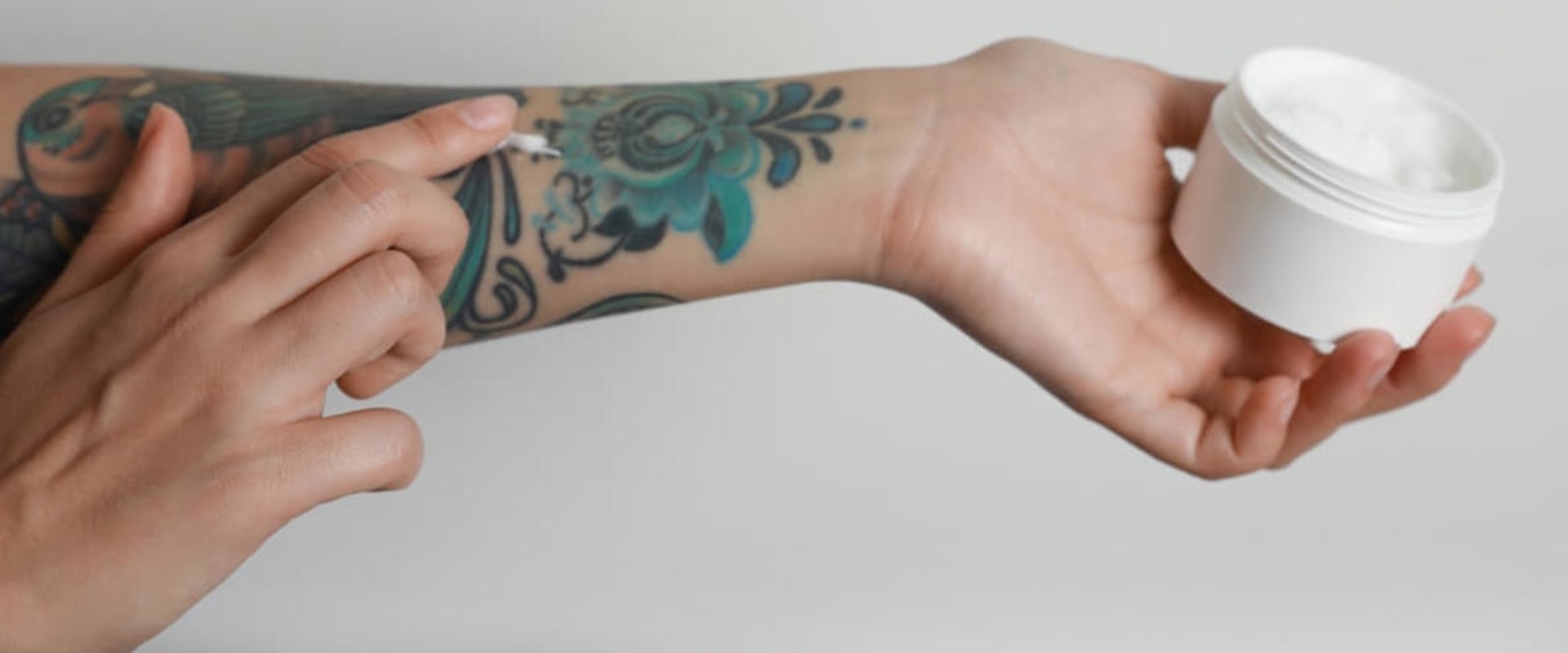
Understanding SPF , or Sun Protection Factor, is essential for anyone with tattoos who wishes to maintain the integrity and vibrancy of their body art. SPF is a measure of how well a sunscreen can protect your skin from harmful ultraviolet (UV) rays, specifically UVB rays, which are primarily responsible for sunburn. However, it’s important to note that SPF does not account for UVA rays, which can also cause significant damage to the skin and contribute to the fading of tattoos over time. This distinction is crucial for tattoo enthusiasts who want to ensure their ink remains as vivid as the day it was applied. The significance of SPF in tattoo care cannot be overstated.
Tattoos are essentially permanent designs created by injecting ink into the dermis, the second layer of skin. When exposed to sunlight, the UV rays can penetrate the skin and break down the pigments used in tattoo ink, leading to fading and distortion. This is particularly true for coloured tattoos, where vibrant hues can lose their brilliance under prolonged sun exposure. Therefore, using a sunscreen with an appropriate SPF is not just a recommendation; it is a vital step in preserving your body art. When selecting a sunscreen, it’s advisable to opt for products that offer broad-spectrum protection.
This means they shield against both UVA and UVB rays, providing comprehensive coverage for your skin and tattoos alike. A higher SPF rating—ideally 30 or above—will afford better protection, allowing you to enjoy outdoor activities without compromising the quality of your tattoos. Understanding how SPF works and its importance in tattoo care sets the foundation for effective sun protection strategies that will be explored throughout this guide.
How UV Rays Affect Tattoos
Understanding how UV rays interact with your skin and tattoos is crucial for maintaining the integrity of your body art. The sun emits two primary types of ultraviolet (UV) radiation: UVA and UVB rays, both of which can have detrimental effects on your tattoos.UVB rays
are primarily responsible for causing sunburn.
They penetrate the outer layer of the skin and can lead to immediate damage, such as redness and peeling. When it comes to tattoos, UVB rays can break down the chemical bonds in the ink pigments, leading to fading and discolouration over time. This is particularly noticeable in bright colours, which are often more susceptible to UV damage.On the other hand, UVA rays penetrate deeper into the skin and are associated with long-term skin damage, including premature aging and an increased risk of skin cancer. These rays can also affect tattoos by altering the structure of the skin itself, which can cause the ink to spread or blur.
This is especially concerning for intricate designs where precision is key.Both types of UV radiation can contribute to a phenomenon known as tattoo fading. Over time, repeated exposure to sunlight without adequate protection can lead to a significant loss of vibrancy in your tattoo. The fading process is gradual but can be accelerated by factors such as skin type, tattoo placement, and the quality of the ink used.To prevent fading and maintain the beauty of your tattoos, it is essential to take proactive measures:
- Apply broad-spectrum sunscreen: Choose a sunscreen that protects against both UVA and UVB rays with a minimum SPF of 30.
- Reapply regularly: Sunscreen should be reapplied every two hours, especially if you are sweating or swimming.
- Avoid peak sun hours: Try to stay out of direct sunlight between 10 am and 4 pm when UV rays are at their strongest.
- Wear protective clothing: Consider covering your tattoos with clothing or a bandage when spending extended periods outdoors.
Choosing the Right Sunscreen for Your Tattoos
When it comes to protecting your tattoos from the sun, selecting the right sunscreen is paramount. Not all sunscreens are created equal, and understanding the key factors can make a significant difference in preserving the vibrancy of your ink.SPF Ratings
The first consideration is the SPF rating.
SPF, or Sun Protection Factor, indicates how well a sunscreen can protect your skin from UVB rays, which are primarily responsible for sunburn. For tattoo protection, it is advisable to choose a sunscreen with an SPF of at least 30. This level of protection blocks approximately 97% of UVB rays. If you have particularly sensitive skin or a new tattoo, opting for a higher SPF, such as 50 or above, can provide additional peace of mind.
Broad-Spectrum Protection
Another crucial aspect is ensuring that the sunscreen offers broad-spectrum protection.
This means it protects against both UVB and UVA rays. While UVB rays cause immediate damage like sunburn, UVA rays penetrate deeper into the skin and contribute to long-term effects such as skin aging and fading of tattoo colours. Look for products that explicitly state "broad-spectrum" on the label to ensure comprehensive protection.
Types of Sunscreen Formulations
The formulation of the sunscreen also plays a vital role in its effectiveness. Here are some types to consider:
- Creams and Lotions: These are generally more effective for tattoo protection as they provide better coverage and adhere well to the skin.
They are ideal for larger areas and can be easily applied over tattoos.
- Gel Formulations: Gels can be a good option for those with oily skin as they tend to feel lighter. However, ensure that they are not too watery, as this may affect their adherence to the skin.
- Stick Sunscreens: These are convenient for touch-ups and can be particularly useful for smaller tattoos or areas that require quick application.
- Aerosol Sprays: While easy to apply, sprays may not provide even coverage and can be easily rubbed off. If using a spray, ensure you apply generously and rub it in well.
Water Resistance
If you plan on swimming or sweating, look for sunscreens that are labelled as water-resistant. These products maintain their SPF protection for a certain period while you are in water or sweating.
However, remember that even water-resistant sunscreens need to be reapplied every two hours or immediately after towel drying.In summary, when choosing a sunscreen for your tattoos, prioritise high SPF ratings, broad-spectrum protection, suitable formulations, and water resistance. By taking these factors into account, you can significantly enhance the longevity and appearance of your tattoos while enjoying time in the sun.
Proper Application Techniques for Sunscreen on Tattoos
Applying sunscreen to your tattoos is not just a matter of slapping on some lotion; it requires a careful approach to ensure that your ink remains vibrant and your skin stays protected. Here are some essential techniques for effective sunscreen application on tattoos.1.Cleanse the Area
Before you apply any sunscreen, it’s vital to cleanse the area around your tattoo. Use a gentle soap and lukewarm water to wash away any dirt, sweat, or oils that may have accumulated on your skin.
This step is crucial as it allows the sunscreen to adhere better to your skin, providing more effective protection.
2.Choose the Right Sunscreen
Select a broad-spectrum sunscreen with an SPF of 30 or higher. Look for products that are specifically formulated for sensitive skin or those that are water-resistant if you plan on swimming or sweating. Creams and lotions are generally more effective than sprays, as they provide better coverage and are less likely to be wiped away.
3.Apply Generously
When it comes to applying sunscreen, more is definitely better. Use a generous amount of sunscreen—about a shot glass full for your entire body—and ensure that you cover the tattooed area thoroughly.
Spread the sunscreen evenly over the tattoo, making sure to cover all edges and surrounding skin.
4.Use Gentle Techniques
While applying sunscreen, avoid rubbing it directly onto your tattoo. Instead, use a gentle patting motion to avoid disturbing the ink. This technique helps maintain the integrity of your tattoo while ensuring that the sunscreen is adequately absorbed into your skin.
5.Reapply Regularly
Sunscreen should be reapplied every two hours, especially if you are swimming or sweating heavily. When reapplying, follow the same gentle patting technique rather than rubbing it in.
This will help prevent any ink from being disturbed while still providing necessary protection.
6.Don’t Forget Other Areas
While protecting your tattoos is essential, remember to apply sunscreen to other exposed areas of your body as well. This ensures comprehensive protection against harmful UV rays and prevents uneven tanning or sunburn.By following these application techniques, you can significantly enhance the longevity and vibrancy of your tattoos while safeguarding your skin from sun damage. Proper application is key to enjoying your ink for years to come!
Additional Tips for Protecting Your Tattoos from Sun Damage
While using sunscreen is a vital step in protecting your tattoos from sun damage, there are several additional strategies you can adopt to ensure your ink remains vibrant and intact. These lifestyle choices can significantly enhance the effectiveness of your sun protection efforts.Avoid Peak Sun Hours
One of the simplest yet most effective ways to protect your tattoos is to avoid direct sunlight during peak hours.The sun's rays are typically strongest between 10 am and 4 pm , making this the most dangerous time for your skin and tattoos. If you can, plan your outdoor activities for early morning or late afternoon when the sun is less intense.
Wear Protective Clothing
Another excellent way to shield your tattoos from harmful UV rays is by wearing protective clothing. Long-sleeved shirts, wide-brimmed hats, and UV-protective fabrics can provide an additional layer of defence against sun exposure. Look for clothing with a high Ultraviolet Protection Factor (UPF) rating, which indicates how effectively the fabric blocks UV radiation.This is particularly important if you have large tattoos or if you are spending extended periods outdoors.
Stay Hydrated
Keeping your skin hydrated is crucial for maintaining its elasticity and overall health, which in turn helps preserve the appearance of your tattoos. Drink plenty of water throughout the day, especially when spending time in the sun. Dehydrated skin can become dry and flaky, leading to a dull appearance of your ink. Consider incorporating hydrating foods into your diet, such as fruits and vegetables with high water content.Use Accessories Wisely
Accessories can also play a role in protecting your tattoos.Consider using items like sunglasses with UV protection to shield not just your eyes but also the surrounding skin where tattoos may be located. Additionally, using an umbrella or seeking shade when outdoors can provide immediate relief from direct sunlight.
Regular Skin Care Routine
A consistent skincare routine can help maintain the vibrancy of your tattoos. Use moisturisers that contain antioxidants and vitamins to nourish your skin. Products with ingredients like aloe vera, vitamin E, and coconut oil can help keep your skin supple and healthy, further protecting your ink from fading.By integrating these additional tips into your lifestyle, you can significantly enhance the protection of your tattoos from sun damage.Remember that prevention is always better than cure; taking proactive measures will ensure that your body art remains as stunning as the day it was inked.
Common Myths About Tattoos and Sun Exposure
When it comes to tattoos and sun exposure, there are numerous myths that can lead to misunderstandings about how to care for your ink. Addressing these misconceptions is vital for ensuring the longevity and vibrancy of your tattoos. Here, we will debunk some of the most common myths surrounding tattoos and sun exposure.- Myth 1: Tattoos are completely safe from sun damage once healed.
Many people believe that once a tattoo has fully healed, it no longer requires protection from the sun. This is far from the truth.Even healed tattoos can fade over time due to UV exposure. The ink can break down, leading to a dull appearance. Regular application of SPF is essential for maintaining the vibrancy of your tattoo.
- Myth 2: Higher SPF means you can stay in the sun longer.
While a higher SPF does provide more protection, it does not mean you can extend your time in the sun indefinitely. No sunscreen can block 100% of UV rays, and factors such as sweating, swimming, and towel drying can reduce its effectiveness.It’s crucial to reapply sunscreen every two hours, regardless of the SPF level.
- Myth 3: All sunscreens are created equal.
Not all sunscreens offer the same level of protection. It’s important to choose a broad-spectrum sunscreen that protects against both UVA and UVB rays. Many products on the market only protect against UVB rays, which can lead to skin damage and tattoo fading. Always check labels for broad-spectrum coverage. - Myth 4: Darker tattoos are less affected by sun exposure.
While darker inks may fade at a slower rate than lighter colours, they are still susceptible to sun damage.UV rays can affect all tattoo colours, leading to changes in appearance over time. Therefore, regardless of ink colour, proper sun protection is necessary.
- Myth 5: You don’t need sunscreen on cloudy days.
Many people assume that they are safe from UV rays when it’s overcast. However, up to 80% of UV rays can penetrate clouds. This means that even on cloudy days, your tattoos are at risk of fading without adequate protection.
Understanding these facts will help you make informed decisions about protecting your tattoos and ensuring they remain as stunning as the day they were inked.
Frequently Asked Questions About Tattoo Protection and SPF
When it comes to protecting your tattoos from the sun, many people have questions about the best practices and products to use. Below are some of the most frequently asked questions regarding tattoo protection and SPF usage.1.How often should I apply sunscreen to my tattoo?
It is recommended to apply sunscreen every two hours, especially if you are swimming or sweating. This ensures that your tattoo remains protected throughout the day. If you are in direct sunlight for extended periods, consider reapplying more frequently.2.Can I use any sunscreen on my tattoo?
While you can use any sunscreen, it is best to choose one that is specifically formulated for sensitive skin or tattoos.Look for a broad-spectrum sunscreen with an SPF of 30 or higher, as this will provide adequate protection against both UVA and UVB rays.
3.Will sunscreen affect the appearance of my tattoo?
Using a high-quality sunscreen should not affect the appearance of your tattoo negatively. In fact, it helps maintain the vibrancy of the ink by preventing fading caused by sun exposure. However, avoid using products with harsh chemicals or fragrances that could irritate your skin.4.Is it safe to apply sunscreen on a new tattoo?
For new tattoos, it is crucial to follow your tattoo artist's aftercare instructions. Generally, you should wait at least two weeks before applying sunscreen to allow the skin to heal properly.Once healed, you can start using sunscreen to protect your tattoo.
5.What type of clothing is best for protecting tattoos from the sun?
Loose-fitting, tightly woven fabrics offer the best protection against UV rays. Consider wearing long sleeves or using UV-protective clothing designed specifically for sun safety. Additionally, wide-brimmed hats can shield your tattoos from direct sunlight.6.Are there any natural alternatives to chemical sunscreens?
Yes, there are natural sunscreens available that use mineral-based ingredients like zinc oxide or titanium dioxide. These options provide broad-spectrum protection without harsh chemicals, making them suitable for sensitive skin and tattoos.7.Can I still get a tan if I wear sunscreen on my tattoo?
While wearing sunscreen will reduce the amount of UV exposure your skin receives, it does not completely block tanning.A broad-spectrum sunscreen allows some UV rays through while protecting against sunburn and fading of your tattoo.By addressing these common concerns, you can make informed decisions about how to care for your tattoos in relation to sun exposure and SPF usage.
Conclusion: The Essential Role of SPF in Tattoo Care
In summary, the significance of SPF in tattoo care cannot be overstated. As we have explored throughout this guide, tattoos are not merely decorative art; they are intricate designs embedded within the skin that require diligent care to maintain their vibrancy and integrity. The sun's harmful rays pose a serious threat to the longevity of your ink, making it imperative to adopt effective sun protection strategies.Utilising a high-quality sunscreen with a minimum SPF of 30 is essential for safeguarding your tattoos from fading and distortion. Remember, it’s not just about the SPF number; choosing a product that offers broad-spectrum protection against both UVB and UVA rays is crucial.This dual protection ensures that your skin and tattoos are shielded from sunburn as well as premature ageing.Moreover, proper application techniques play a vital role in maximising the effectiveness of your sunscreen. Always cleanse the area around your tattoo before application, apply generously, and reapply every two hours or immediately after swimming or sweating. These practices will help create a robust barrier against UV damage.In addition to using SPF, consider other protective measures such as:
- Avoiding direct sunlight during peak hours when UV radiation is at its strongest.
- Wearing protective clothing or using accessories like hats to shield your tattoos from direct exposure.
- Staying hydrated to keep your skin healthy and resilient against sun damage.
So, as you step out into the sun, remember that a little effort in applying SPF can go a long way in protecting your cherished ink.