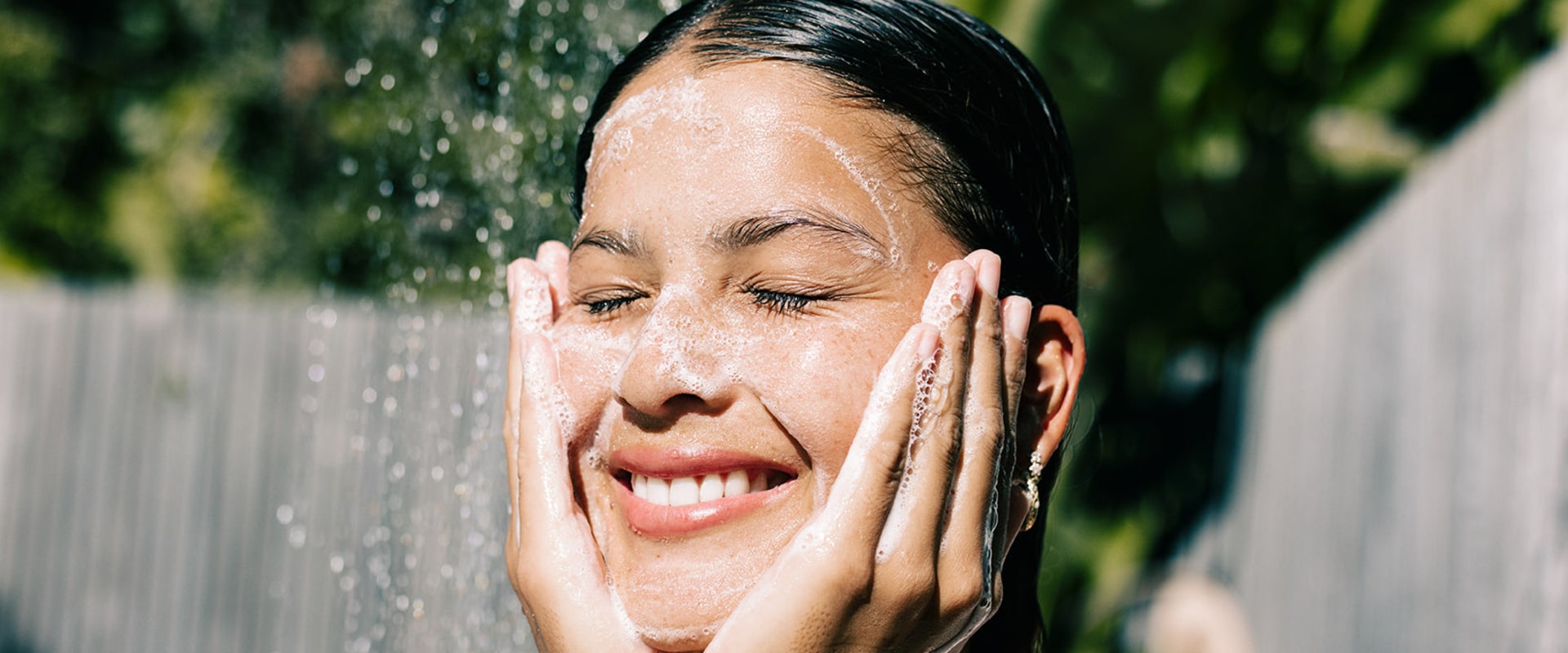
Understanding SPF, or Sun Protection Factor, is crucial for anyone who wishes to maintain healthy skin while enjoying the outdoors. SPF is a measure of how well a sunscreen can protect your skin from the harmful effects of ultraviolet (UV) rays, specifically UVB rays, which are primarily responsible for sunburn and can contribute to skin cancer. When you apply a product with SPF, it forms a protective barrier on your skin that absorbs or reflects these damaging rays, significantly reducing the risk of sunburn and long-term skin damage.The importance of incorporating SPF into your daily skincare routine cannot be overstated. Daily exposure to UV rays, even on cloudy days or during winter months, can lead to premature aging, hyperpigmentation, and an increased risk of skin cancer.
By using a broad-spectrum sunscreen with adequate SPF, you not only protect your skin from immediate harm but also invest in its long-term health. This is particularly vital for individuals with fair skin or those who spend extended periods outdoors.Understanding how SPF works is equally important. The number associated with SPF indicates the level of protection it offers; for instance, an SPF of 30 means that theoretically, it would take 30 times longer for your skin to burn than if you were not wearing any sunscreen at all. However, this is contingent upon applying the product correctly and in sufficient quantities.
A common mistake is underapplying sunscreen, which can drastically reduce its effectiveness. Therefore, knowing how to apply and reapply SPF correctly is essential for maximising its protective benefits.
Why Properly Removing SPF is Crucial
Understanding the importance of properly removing SPF from your skin is essential for maintaining a healthy complexion. While SPF is crucial for protecting against harmful UV rays, neglecting to remove it can lead to a myriad of skin issues that can compromise your skin's health and appearance.Effects of Not Removing SPF
When SPF is left on the skin, it can create a barrier that traps not only the sunscreen itself but also dirt, sweat, and environmental pollutants. This accumulation can lead to:
- Clogged Pores: The combination of SPF and impurities can block pores, leading to blackheads and whiteheads.
Clogged pores are a common precursor to more severe acne breakouts.
- Breakouts: For those with oily or acne-prone skin, failing to remove SPF thoroughly can exacerbate existing conditions or trigger new breakouts. The ingredients in some sunscreens may also contribute to inflammation and irritation.
- Irritation and Sensitivity: Leaving SPF on the skin can cause irritation, especially for those with sensitive skin types. Ingredients in sunscreens, particularly chemical filters, may lead to redness, itching, or a burning sensation if not properly cleansed away.
Long-Term Consequences
Over time, neglecting proper removal techniques can result in more than just immediate skin issues. Chronic clogged pores and breakouts can lead to:
- Uneven Skin Texture: Persistent acne and clogged pores can create an uneven texture on the skin's surface, making it appear dull and lifeless.
- Hyperpigmentation: Post-inflammatory hyperpigmentation can occur as a result of breakouts, leading to dark spots that may take time to fade.
- Premature Ageing: Accumulated debris on the skin can hinder its natural renewal process, potentially accelerating signs of ageing such as fine lines and wrinkles.
By understanding the potential consequences of neglecting this step, you are more likely to adopt effective removal techniques that will keep your skin clear, healthy, and radiant.
Best Methods for Removing SPF from Your Skin
When it comes to effectively removing SPF from your skin, choosing the right method is crucial for maintaining healthy skin. Below are some of the best methods and products that can help you achieve a thorough cleanse.Cleansing Oils and Balms
Cleansing oils and balms are highly effective for breaking down SPF, as they dissolve the oil-based components found in most sunscreens. Here’s how to use them:
- Apply to Dry Skin: Take a small amount of cleansing oil or balm and massage it onto dry skin. Focus on areas where SPF is heavily applied, such as the face, neck, and ears.
- Emulsify: Add a little water to your hands and continue massaging.
This will emulsify the product, turning it milky.
- Rinse Off: Use warm water to rinse your face thoroughly, ensuring all product and SPF residue is removed.
Micellar Water
Micellar water is another excellent option for those seeking a quick and gentle way to remove SPF. It contains micelles that attract dirt and oil. Here’s how to use it:
- Soak a Cotton Pad: Saturate a cotton pad with micellar water.
- Wipe Gently: Sweep the cotton pad across your face, starting from the centre and moving outward. Repeat until the pad comes away clean.
- No Rinsing Required: One of the benefits of micellar water is that it doesn’t require rinsing, making it perfect for on-the-go cleansing.
Double Cleansing
This method combines an oil-based cleanser followed by a water-based cleanser for a thorough clean, especially beneficial for those using heavy or waterproof SPF.
Follow these steps:
- First Cleanse: Use an oil-based cleanser to break down the SPF. Massage it into your skin as described above.
- Second Cleanse: Follow up with a gentle water-based cleanser to remove any remaining impurities. Apply it to damp skin and rinse thoroughly.
Tips for Effective Cleansing
- Use Lukewarm Water: Hot water can strip your skin of natural oils, so opt for lukewarm instead.
- Be Gentle: Avoid harsh scrubbing; instead, use soft motions to prevent irritation.
- Cleansing Tools: Consider using a soft cleansing brush or cloth for added effectiveness, but ensure they are gentle on your skin.
Cleansing Oils and Balms: A Deep Dive
Cleansing oils and balms have gained significant popularity in recent years, particularly for their ability to effectively remove SPF and other stubborn makeup from the skin. These products are formulated with a blend of oils that work synergistically to dissolve the waxy and oily components of sunscreen, making them an excellent choice for anyone looking to maintain clear and healthy skin.Benefits of Cleansing Balms
- Effective Removal: Cleansing balms are particularly effective at breaking down heavy formulations, including waterproof sunscreens.
Their thick consistency allows them to cling to the skin, lifting away impurities without harsh scrubbing.
- Hydration: Many cleansing balms contain nourishing ingredients such as shea butter or coconut oil, which not only cleanse but also hydrate the skin, leaving it soft and supple after use.
- Gentle on Skin: Unlike some foaming cleansers that can strip the skin of its natural oils, cleansing balms are typically gentle and suitable for all skin types, including sensitive skin.
How to Use Cleansing Oils
Using cleansing oils is a straightforward process that can be easily incorporated into your skincare routine. Here’s a step-by-step guide:
- Start with Dry Skin: Apply the cleansing oil directly onto dry skin. This allows the oil to effectively break down the SPF and any other impurities present.
- Massage Gently: Using your fingertips, gently massage the oil into your skin in circular motions. Focus on areas where SPF tends to accumulate, such as around the nose and hairline.
- Add Water: After massaging for about 30 seconds, wet your hands and continue to massage your face.
This will emulsify the oil, turning it into a milky consistency that can easily be rinsed away.
- Rinse Thoroughly: Use lukewarm water to rinse your face thoroughly, ensuring that all traces of oil and SPF are removed.
Recommended Cleansing Oils
- DHC Deep Cleansing Oil: This cult-favourite is known for its lightweight texture and ability to dissolve even the most stubborn makeup and SPF.
- Burt's Bees Cleansing Oil: Infused with natural ingredients, this cleansing oil is perfect for those seeking a more organic option while still effectively removing SPF.
- Clinique Take The Day Off Cleansing Balm: A rich balm that transforms into an oil upon application, it’s ideal for those who prefer a thicker consistency for their cleansing routine.
Micellar Water: The Gentle Cleanser
Micellar water has gained immense popularity in recent years, particularly as a gentle yet effective option for removing SPF from the skin. This versatile product is not only convenient but also suitable for various skin types, making it a staple in many skincare routines.How Micellar Water Works
At its core, micellar water is composed of tiny oil molecules called micelles suspended in soft water.
These micelles act like magnets, attracting and lifting away dirt, oil, and impurities from the skin's surface. When applied to a cotton pad and swept across the skin, micellar water effectively dissolves SPF, makeup, and other residues without the need for harsh scrubbing or rinsing.This unique formulation allows micellar water to cleanse the skin while maintaining its natural moisture balance. Unlike traditional cleansers that may strip the skin of essential oils, micellar water is gentle and hydrating, making it an excellent choice for those with sensitive or dry skin.
Benefits of Using Micellar Water
- Convenience: Micellar water is incredibly easy to use. Simply soak a cotton pad with the solution and wipe it across your face to remove SPF and impurities.
There's no need for rinsing, making it perfect for quick touch-ups or travel.
- Gentle on the Skin: Its mild formula means that micellar water can be used daily without causing irritation. This makes it suitable for all skin types, including sensitive and acne-prone skin.
- Hydrating Properties: Many formulations include additional hydrating ingredients such as glycerin or aloe vera, which help to soothe and moisturise the skin while cleansing.
- Multi-Functional: In addition to removing SPF, micellar water can also effectively eliminate makeup and other impurities, making it a versatile addition to your skincare arsenal.
Application Tips
To maximise the effectiveness of micellar water when removing SPF, consider the following tips:
- Use a generous amount: Soak your cotton pad thoroughly with micellar water to ensure it can effectively lift away all traces of sunscreen.
- Gentle motions: Wipe the cotton pad across your skin using soft, sweeping motions. Avoid rubbing too hard to prevent irritation.
- Target all areas: Don’t forget to cleanse areas often overlooked, such as around the ears and neck, where SPF may accumulate.
- Follow up with a cleanser: For those who wear heavy or waterproof SPF, consider following up with a gentle cleanser to ensure all residues are removed.
Double Cleansing: The Ultimate Method for Thorough Removal
For those who regularly apply heavy or waterproof sunscreens, the double cleansing method is an essential practice to ensure that your skin is thoroughly cleansed and free from any residue.This technique not only helps in removing SPF effectively but also promotes overall skin health by preventing clogged pores and breakouts.
What is Double Cleansing?
Double cleansing involves two distinct steps: the first step uses an oil-based cleanser to dissolve makeup, sunscreen, and excess sebum, while the second step employs a water-based cleanser to remove any remaining impurities. This two-step process ensures that your skin is left clean and refreshed.
Benefits of Double Cleansing
- Thorough Removal: The oil-based cleanser effectively breaks down the SPF and other products, ensuring that nothing is left behind.
- Prevents Clogged Pores: By removing all traces of sunscreen and impurities, double cleansing helps to prevent breakouts and blackheads.
- Enhances Skin Care Absorption: A clean canvas allows your serums and moisturisers to penetrate better, maximising their effectiveness.
- Soothes Skin: Many oil cleansers contain nourishing ingredients that can help soothe and hydrate the skin during the cleansing process.
How to Double Cleanse
- Start with an Oil-Based Cleanser: Apply a generous amount of your chosen oil cleanser onto dry skin. Gently massage it in circular motions for about 30 seconds to a minute. This will help dissolve the SPF and any makeup.
- Add Water: After massaging, wet your hands with warm water and continue to massage your face.
This will emulsify the oil, turning it into a milky texture that can be easily rinsed away.
- Rinse Thoroughly: Use lukewarm water to rinse off the oil cleanser completely. Make sure no residue remains on your skin.
- Follow with a Water-Based Cleanser: Apply a small amount of your water-based cleanser to damp skin. Massage it in for another 30 seconds, focusing on areas where SPF tends to accumulate, such as around the nose and hairline.
- Final Rinse: Rinse your face thoroughly with lukewarm water again, ensuring all traces of the second cleanser are removed.
Tips for Effective SPF Removal
Removing SPF effectively is crucial for maintaining healthy skin, yet many individuals overlook the importance of this step in their skincare routine.Here are some practical tips and best practices to ensure you remove sunscreen thoroughly without causing damage to your skin.
- Choose the Right Cleanser: Opt for a cleanser specifically formulated to break down SPF. Look for products that contain ingredients like coconut oil or squalane, which are effective at dissolving sunscreen without stripping the skin of its natural moisture.
- Avoid Harsh Scrubs: While it may be tempting to use abrasive scrubs to remove stubborn SPF, this can lead to micro-tears in the skin. Instead, use gentle, circular motions with your fingertips or a soft cloth to cleanse your face.
- Incorporate a Double Cleansing Method: For those who wear heavy or waterproof sunscreens, double cleansing is highly recommended. Start with an oil-based cleanser to dissolve the SPF, followed by a water-based cleanser to remove any remaining residue.
- Be Mindful of Water Temperature: Use lukewarm water when rinsing your face.
Hot water can strip away essential oils and lead to dryness, while cold water may not effectively remove all traces of sunscreen.
- Don’t Forget Your Neck and Ears: These areas are often neglected during cleansing. Ensure you extend your cleansing routine to include your neck and ears, as they are also prone to SPF buildup and potential breakouts.
Common Mistakes in SPF Removal
- Rushing the Process: Many people tend to rush through their cleansing routine. Take your time to ensure that all traces of sunscreen are removed, as lingering products can lead to clogged pores and irritation.
- Using Makeup Wipes Alone: While makeup wipes can be convenient, they often do not remove SPF effectively. Always follow up with a proper cleanser after using wipes.
- Neglecting Post-Cleansing Care: After removing SPF, it’s essential to follow up with a hydrating toner or moisturiser.
This helps replenish moisture and maintain the skin's barrier function.
Best Practices for Your Skincare Routine
- Establish a Consistent Routine: Make SPF removal a non-negotiable part of your evening skincare routine. Consistency is key in preventing skin issues related to improper cleansing.
- Patch Test New Products: Before introducing new cleansers or skincare products into your routine, perform a patch test to avoid adverse reactions.
- Stay Hydrated: Drinking plenty of water supports overall skin health and can help mitigate any dryness caused by cleansing products.
Addressing Common Concerns About Removing SPF
When it comes to removing SPF from your skin, several common concerns arise. Addressing these questions can help you feel more confident in your skincare routine.Can I use wipes to remove SPF?
While facial wipes can be convenient for quick clean-ups, they are generally not the most effective method for removing SPF.Many wipes are designed to remove makeup and surface dirt but may not adequately break down the oils and active ingredients found in sunscreen. If you choose to use wipes, look for those specifically formulated for cleansing and ensure they are oil-based or contain micellar water for better efficacy. However, for a thorough cleanse, it is advisable to follow up with a proper cleansing routine.
Do I need special products to remove sunscreen?
In most cases, you do not need special products solely for removing sunscreen. However, using a dedicated cleansing oil or balm can significantly enhance your cleansing routine.These products are designed to dissolve the oils in sunscreen effectively. If you wear heavy or waterproof formulations, consider incorporating a double cleansing method—starting with an oil-based cleanser followed by a gentle water-based cleanser. This two-step process ensures that all traces of SPF are removed without compromising your skin's health.
What if I have sensitive skin?
If you have sensitive skin, it’s essential to choose your cleansing products carefully. Opt for fragrance-free and hypoallergenic cleansers that won’t irritate your skin.Cleansing balms or micellar water can be excellent options as they are typically gentler than traditional foaming cleansers. Always perform a patch test when trying new products and avoid scrubbing too hard during the cleansing process. Instead, use gentle circular motions to lift away the SPF without causing irritation.In summary, while there are various methods and products available for removing SPF, it’s crucial to select those that suit your skin type and needs. By addressing these common concerns, you can ensure that your skin remains healthy and free from clogged pores while effectively protecting yourself from UV damage.
Conclusion: Embracing Healthy Skin Care Practices
In conclusion, the journey towards maintaining healthy skin is a multifaceted one, and proper removal of SPF is a crucial component of this process.As we have explored throughout this guide, the application of sunscreen is essential for protecting our skin from harmful UV rays, but equally important is the method by which we cleanse it away at the end of the day.By adopting effective cleansing techniques, such as using cleansing oils , micellar water , or engaging in a double cleansing routine, you can ensure that your skin remains free from the buildup of SPF and other impurities. This not only helps to prevent clogged pores and breakouts but also allows your skin to breathe and regenerate overnight.Moreover, it is vital to remember that skincare is not just about the products you use but also about the practices you incorporate into your daily routine. Here are some key takeaways to reinforce:
- Consistency is key: Make it a habit to remove SPF every evening, regardless of how tired you may feel. Your skin will thank you for it.
- Be gentle: Treat your skin with care.
Avoid harsh scrubbing and opt for gentle motions to prevent irritation.
- Don’t neglect other areas: Ensure that you cleanse not just your face but also your neck, ears, and any other areas where SPF has been applied.
- Stay informed: Keep learning about skincare ingredients and methods to find what works best for your unique skin type.