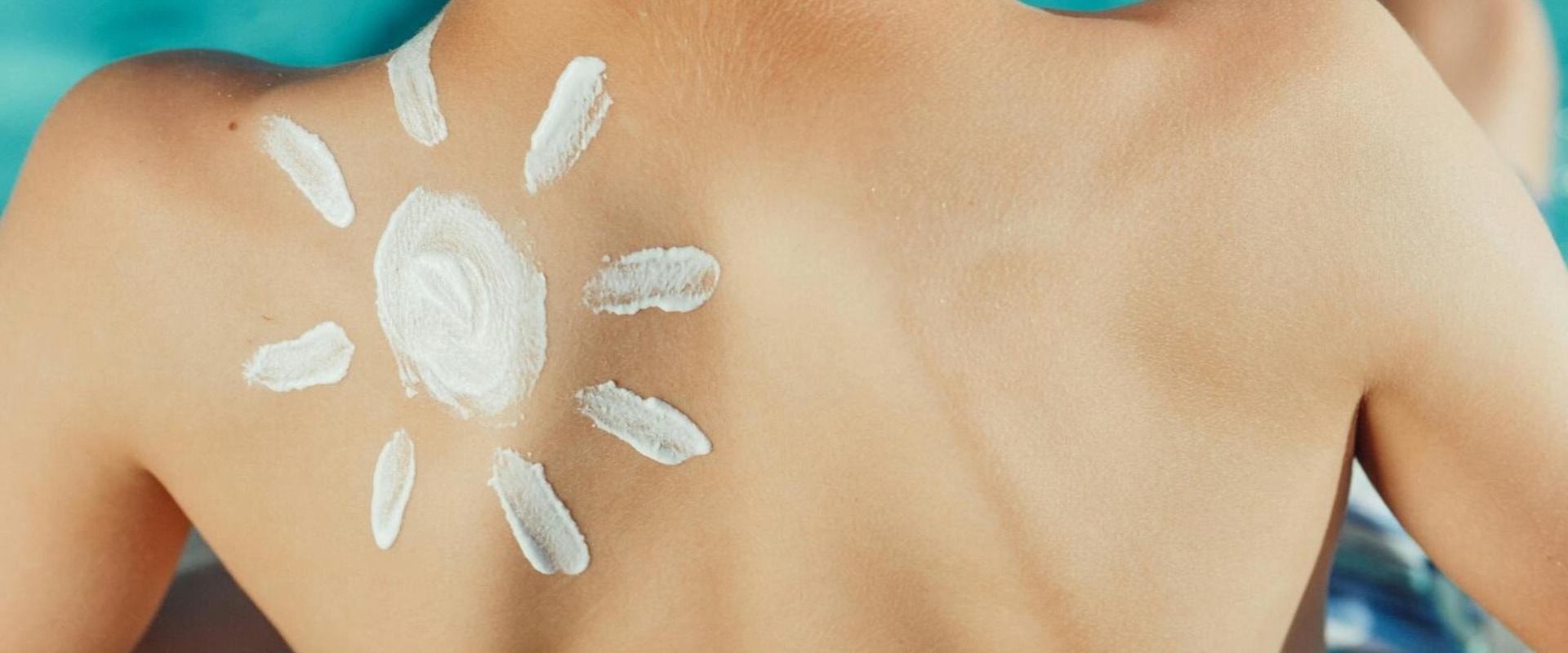
As parents, we often find ourselves navigating a myriad of choices to ensure our children lead healthy and safe lives. One of the most critical yet sometimes overlooked aspects of child health is the protection of their skin from the sun's harmful rays. The delicate nature of children's skin makes it particularly vulnerable to damage from ultraviolet (UV) radiation, which can have both immediate and long-term consequences. Understanding the importance of sun protection is not just a seasonal concern; it is a year-round commitment that can significantly impact your child's overall health.Children's skin is thinner and more sensitive than that of adults, making them more susceptible to sunburn and other forms of skin damage.
A single blistering sunburn in childhood can double the risk of developing skin cancer later in life, according to research from the Skin Cancer Foundation. This alarming statistic underscores the necessity for vigilant sun protection, especially during peak UV hours when children are most likely to be outdoors. Whether they are playing in the park, enjoying a day at the beach, or participating in sports, their exposure to UV rays increases dramatically.Moreover, the cumulative effects of UV exposure can lead to premature aging and other skin issues as children grow into adulthood. It is essential to instil good sun protection habits early on, teaching children about the importance of seeking shade, wearing protective clothing, and applying sunscreen regularly.
By prioritising sun safety now, we can help safeguard their skin health for years to come. In this SPF guide, we will delve deeper into how to effectively protect your child's skin from UV damage and explore the various options available for safe sun protection.
What is SPF and How Does it Work?
Understanding SPF, or Sun Protection Factor , is crucial for parents who want to safeguard their children's skin from the sun's harmful rays. SPF is a measure that indicates the level of protection a sunscreen provides against UVB rays, which are primarily responsible for causing sunburn and can contribute to skin cancer.To put it simply, the SPF number reflects how long you can stay in the sun without getting burned compared to not wearing any sunscreen at all. For instance, if a child would typically start to burn after 10 minutes of sun exposure, applying an SPF 30 sunscreen theoretically allows them to stay in the sun for 30 times longer—about 300 minutes—before burning.However, this is an ideal scenario and does not account for factors such as sweating, swimming, or towel drying, which can reduce the effectiveness of the sunscreen.It’s important to note that while higher SPF numbers do offer more protection, they do not provide a linear increase in safety. An SPF 30 blocks approximately 97% of UVB rays, while SPF 50 blocks about 98%. This minimal difference underscores the importance of proper application and reapplication rather than solely relying on a higher SPF.Moreover, SPF only measures protection against UVB rays. To ensure comprehensive skin protection, it is essential to choose a sunscreen that offers broad-spectrum protection.
This means it protects against both UVB rays, which cause sunburn, and UVA rays, which penetrate deeper into the skin and are linked to premature aging and skin cancer.When selecting a sunscreen for children, look for products labelled as broad-spectrum and with an SPF of at least 30. Additionally, consider formulations that are specifically designed for children; these often contain gentler ingredients that are less likely to irritate sensitive skin.In summary, understanding what SPF is and how it functions is vital for effective sun protection. By choosing the right sunscreen and applying it correctly, parents can significantly reduce their children's risk of sun damage while allowing them to enjoy outdoor activities safely.
Is SPF Safe for Children?
When it comes to protecting our children from the sun, many parents often wonder, is SPF safe for children ? The good news is that, when used correctly, sunscreen is not only safe but essential for safeguarding their delicate skin from harmful UV rays.To ensure the utmost safety, it is crucial to select sunscreens specifically formulated for children. These products are designed with gentler ingredients that cater to the sensitive nature of young skin.Look for labels that indicate the sunscreen is "for kids" or "baby-friendly," as these formulations typically avoid harsh chemicals and fragrances that could irritate a child's skin.Moreover, it is advisable to choose a sunscreen with a minimum SPF of 30. This level of protection effectively blocks around 97% of UVB rays, which are primarily responsible for sunburn. However, it’s important to remember that no sunscreen can offer complete protection; therefore, combining sunscreen use with other sun safety measures is vital.When applying sunscreen, ensure that all exposed areas are thoroughly covered. This includes commonly overlooked spots such as the ears, back of the neck, and tops of the feet.
Reapplication is equally important; sunscreen should be reapplied every two hours, or immediately after swimming or sweating, to maintain effective protection.Parents may also have concerns regarding potential allergic reactions to sunscreen. While such reactions can occur, they are relatively rare. Most children's sunscreens are hypoallergenic and formulated to minimise irritation. If your child has particularly sensitive skin, consider conducting a patch test on a small area before full application.Another common question revolves around the use of spray sunscreens.
While they offer convenience, there are concerns about inhalation of aerosol particles. To mitigate this risk, it is generally recommended to opt for lotion or stick formulations instead.In summary, SPF is safe for children when appropriate products are chosen and applied correctly. By selecting child-friendly formulations and adhering to application guidelines, parents can confidently protect their little ones from the sun's harmful effects while allowing them to enjoy outdoor activities safely.
Choosing the Right Sunscreen for Your Child
When it comes to selecting the best sunscreen for your child, there are several important factors to consider. The right choice can significantly enhance your child's protection against harmful UV rays while ensuring their skin remains healthy and irritation-free.SPF Rating
First and foremost, look for a sunscreen with an SPF rating of at least 30.
This level of protection blocks approximately 97% of UVB rays, which are primarily responsible for sunburn. For children who spend extended periods outdoors, consider using a higher SPF, such as 50, to provide additional protection. However, remember that no sunscreen can offer 100% protection, so combining sunscreen with other sun safety measures is essential.
Ingredients to Look For
When choosing a sunscreen, pay close attention to the ingredients. Opt for products that contain physical (mineral) blockers like zinc oxide or titanium dioxide.
These ingredients sit on the skin's surface and reflect UV rays, making them less likely to irritate sensitive skin compared to chemical sunscreens. Additionally, mineral sunscreens are often recommended for children due to their gentler formulation.
Ingredients to Avoid
Be cautious of sunscreens containing certain chemicals that may cause skin irritation or allergic reactions. Ingredients such as oxybenzone, octinoxate, and parabens have raised concerns regarding their potential effects on children's health and the environment. Always check the label and opt for products that are free from these harmful substances.
Product Types: Lotion vs.
Spray
Sunscreens come in various forms, including lotions, sprays, gels, and sticks. While spray sunscreens may seem convenient, they can pose inhalation risks for children. Therefore, it is generally advisable to choose lotion or stick formulations for better control during application. Lotions allow for thorough coverage and ensure that all exposed areas are adequately protected.
Children's Sunscreen Recommendations
- CeraVe Hydrating Sunscreen SPF 30: This mineral sunscreen is gentle on the skin and contains ceramides to help restore the skin barrier.
- Neutrogena Pure & Free Baby Sunscreen SPF 50: A hypoallergenic option that provides broad-spectrum protection without irritating sensitive skin.
- Blue Lizard Australian Sunscreen SPF 30: Known for its water resistance and mineral-based formula, this sunscreen is ideal for active children.
- Babo Botanicals Clear Zinc Sunscreen SPF 30: This organic option is free from harsh chemicals and is suitable for even the most sensitive skin types.
Always remember to apply sunscreen generously and reapply every two hours or after swimming or sweating to maintain effective protection.
Common Concerns About Using SPF on Children
When it comes to applying SPF on children, parents often have a range of concerns that can lead to confusion and hesitation. Addressing these worries is essential for ensuring that children receive the sun protection they need without compromising their health.Will Using SPF Lead to Vitamin D Deficiency?
A prevalent concern among parents is the potential for vitamin D deficiency due to the use of sunscreen. Vitamin D is crucial for various bodily functions, including bone health and immune system support. The sun is a primary source of vitamin D, and some worry that applying sunscreen may block the skin's ability to produce this vital nutrient.However, research indicates that using sunscreen does not significantly hinder vitamin D synthesis.A study published in the Journal of Investigative Dermatology found that even with sunscreen application, individuals can still produce adequate levels of vitamin D when exposed to sunlight for short periods. Moreover, children can obtain vitamin D from dietary sources such as fatty fish, fortified dairy products, and supplements. Therefore, while sun protection is essential, parents can rest assured that their children can still maintain healthy vitamin D levels through other means.
Are Allergic Reactions to Sunscreen Common?
Another concern is the possibility of allergic reactions or skin irritations caused by sunscreen products. While it is true that some children may experience sensitivity to certain ingredients in sunscreens, such occurrences are relatively rare.Most modern sunscreens are formulated to be hypoallergenic and are designed specifically for sensitive skin.If your child has a history of skin sensitivities or allergies, it is advisable to conduct a patch test before applying sunscreen extensively. Apply a small amount of the product on a discreet area of skin and monitor for any adverse reactions over 24 hours. If no irritation occurs, it is generally safe to use the product on larger areas.
Is Spray Sunscreen Safe for Children?
The convenience of spray sunscreens has made them popular among parents; however, there are safety considerations to keep in mind. One major concern is the risk of inhalation when children are sprayed with sunscreen.Inhaling aerosolised particles can potentially harm lung health.To mitigate this risk, it is recommended that parents opt for lotion or stick formulations when applying sunscreen on children. These options allow for more controlled application and ensure that the product stays on the skin rather than becoming airborne.In summary, while concerns about SPF use in children are valid, understanding the facts can help alleviate fears. By choosing appropriate products and applying them correctly, parents can effectively protect their children's skin from harmful UV rays without compromising their overall health.
How to Apply Sunscreen Effectively on Children
Applying sunscreen on children is a crucial step in safeguarding their skin from harmful UV rays. However, it’s not just about slapping on some lotion; effective application requires attention to detail and adherence to best practices.1.Choose the Right Sunscreen
- Opt for a broad-spectrum sunscreen with an SPF of at least 30, specifically formulated for children.
- Look for water-resistant options if your child will be swimming or sweating.
- Check the ingredients to ensure it is free from harsh chemicals that may irritate sensitive skin.
2.Application Techniques
When applying sunscreen, follow these steps to ensure complete coverage:
- Start Early: Apply sunscreen at least 15-30 minutes before your child goes outside.
This allows the product to absorb into the skin and provide optimal protection.
- Use Enough Product: A common guideline is to use about a shot glass full (approximately 30ml) for the entire body of a child. Don’t skimp on the amount!
- Cover All Exposed Areas: Pay special attention to areas often missed, such as:
- The face (including ears and around the eyes)
- The back of the neck
- The tops of feet and hands
- The scalp, especially if your child has thin or short hair
- Rub It In: Ensure that you rub the sunscreen in thoroughly until it is no longer visible on the skin. This helps in achieving even coverage.
3.Reapplication Guidelines
Sunscreen is not a one-time application; it needs to be reapplied regularly for continued protection:
- Every Two Hours: Reapply sunscreen every two hours, especially if your child is playing outdoors.
- After Swimming or Sweating: If your child has been swimming or sweating heavily, reapply immediately after drying off.
- Check Expiry Dates: Always check the expiration date on the sunscreen bottle, as expired products may not provide adequate protection.
4.Make It Fun!
To encourage your child to accept sunscreen application, turn it into a fun activity. Let them choose their favourite scent or design of sunscreen, or make a game out of applying it together.
This not only ensures they are protected but also helps instil good sun safety habits from an early age.
Alternative Sun Protection Measures Beyond SPF
While using SPF is a vital part of protecting your child's skin from harmful UV rays, it should not be the only strategy employed. A comprehensive approach to sun safety includes several alternative measures that can significantly enhance protection. Here are some effective strategies to consider:1.Protective Clothing
One of the most effective ways to shield your child from the sun is through appropriate clothing. Lightweight, long-sleeved shirts and long trousers made from tightly woven fabrics can provide excellent coverage.Look for clothing specifically designed for sun protection, often labelled with an Ultraviolet Protection Factor (UPF). These garments are engineered to block a significant percentage of UV radiation.
- Hats: A wide-brimmed hat can protect your child's face, ears, and neck. Choose hats with a brim of at least 3 inches for optimal coverage.
- Sunglasses: Protecting the eyes is just as important as shielding the skin. Ensure your child wears sunglasses that block 100% of UVA and UVB rays.
2.Seeking Shade
Encouraging your child to play in shaded areas can drastically reduce their sun exposure.Whether at the park, beach, or backyard, look for natural shade under trees or use umbrellas and canopies. When planning outdoor activities, try to schedule them during the early morning or late afternoon when the sun's rays are less intense.
3.Timing Outdoor Activities
Being mindful of when your child is outdoors can also play a crucial role in sun safety. The sun's rays are typically strongest between 10 a.m. and 4 p.m.During these hours, it’s advisable to limit direct sun exposure and encourage indoor activities or shaded play.
4.Regular Skin Checks
In addition to preventive measures, regular skin checks are essential for early detection of any unusual changes or signs of sun damage. Teach your child about the importance of monitoring their skin and report any new moles or changes in existing ones to a parent or guardian.By integrating these alternative sun protection measures with SPF use, you can create a robust defence against harmful UV rays, ensuring your child's skin remains healthy and protected throughout their outdoor adventures.Frequently Asked Questions About SPF and Children
As parents, it’s natural to have questions and concerns about the safety and effectiveness of SPF products for our children. Below are some frequently asked questions that can help clarify common misconceptions and provide valuable insights into the use of sunscreen for kids.1.At what age can I start using sunscreen on my child?
Most experts recommend that you can start using sunscreen on your child from six months of age. For infants younger than six months, it’s best to keep them out of direct sunlight and dress them in protective clothing.If sun exposure is unavoidable, consult your paediatrician for advice on suitable sunscreen options.
2.Is there a difference between adult and children’s sunscreen?
Yes, there is a significant difference.Children’s sunscreens
are formulated to be gentler on sensitive skin, often free from harsh chemicals and fragrances that could cause irritation. They typically contain physical blockers like zinc oxide or titanium dioxide, which are less likely to cause allergic reactions.3.How often should I reapply sunscreen on my child?
Sunscreen should be reapplied every two hours, or more frequently if your child is swimming or sweating. It’s essential to follow the instructions on the product label for optimal protection.4.Can my child get enough vitamin D while using sunscreen?
This is a common concern among parents.While sunscreen does block some UV rays necessary for vitamin D synthesis, studies indicate that using sunscreen does not significantly impact overall vitamin D levels. Children can also obtain vitamin D through dietary sources such as fortified foods and supplements.
5.Are spray sunscreens safe for children?
While spray sunscreens are convenient, there are concerns regarding inhalation of the product. It’s advisable to use lotion or stick formulations for children, applying them directly onto the skin rather than spraying them in the air.6.What should I do if my child has a reaction to sunscreen?
If your child experiences redness, itching, or any signs of an allergic reaction after applying sunscreen, discontinue use immediately and wash the affected area with mild soap and water. Consult a healthcare professional if symptoms persist or worsen.By addressing these common questions and concerns, parents can make informed decisions about sun protection for their children, ensuring their safety while enjoying outdoor activities.Conclusion: Ensuring Safe Sun Practices for Your Child
In summary, protecting your child from the sun's harmful rays is a vital aspect of their overall health and well-being.As we have explored, the use of SPF is not only safe for children but also essential in preventing long-term skin damage and reducing the risk of skin cancer later in life. By understanding the importance of sun protection and implementing effective strategies, parents can ensure their children enjoy outdoor activities safely.
Key Takeaways:
- Children's skin is more vulnerable to UV damage, making it crucial to apply sunscreen regularly.
- Choose a sunscreen specifically formulated for children, ideally with an SPF of at least 30, to provide adequate protection against UVB rays.
- Look for products labelled as "broad spectrum" to ensure protection against both UVA and UVB rays.
- Reapply sunscreen every two hours, or more frequently if your child is swimming or sweating.
- Incorporate additional sun safety measures such as seeking shade, wearing protective clothing, and using hats and sunglasses.
By doing so, you are not just safeguarding their skin; you are also empowering them with knowledge that will benefit them throughout their lives.Ultimately, the goal is to create a balanced approach to sun exposure—allowing children to enjoy the outdoors while ensuring they are adequately protected. With the right information and tools at your disposal, you can confidently navigate the world of sun safety for your child.